Intimate Care OEM Requirements in Indonesia, Malaysia, Thailand, Vietnam, the Philippines and Singapore
“Southeast Asia” is not one market. Indonesia, Malaysia, Thailand, Vietnam, the Philippines and Singapore each run their own notification system, their own labelling rules and their own channel expectations — and the manufacturer you choose has to hold documentation that satisfies all six.
For B2B buyers sourcing private label intimate care products from an OEM manufacturer for Southeast Asia: the region is usually treated as a single sales territory in a brand plan, but it is six separate registration environments. Indonesia, Malaysia, Thailand, Vietnam, the Philippines and Singapore each require their own notification, their own labelling review and, in several cases, a local entity before a filing can even be lodged.
That changes what you should ask a manufacturer. The question is not only “can you produce this formula” — it is “can you supply the documentation my registration in each of these six markets will require”. This guide answers both.
Who this guide is for: Brand owners, importers and distributors sourcing private label intimate care products for one or more Southeast Asian markets, and comparing OEM manufacturers on registration readiness rather than catalogue size.
What "Private Label Intimate Care Products" Covers
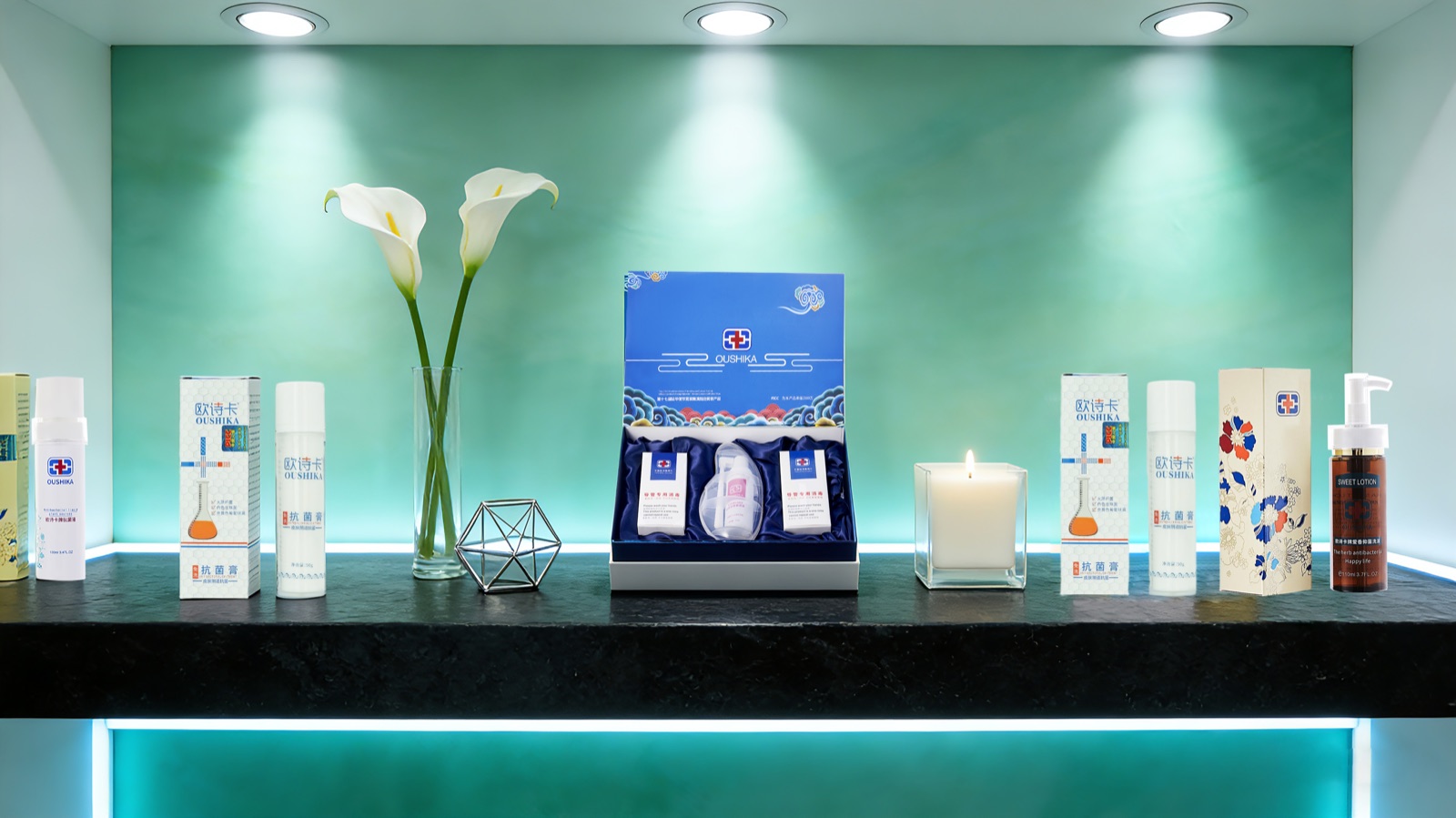
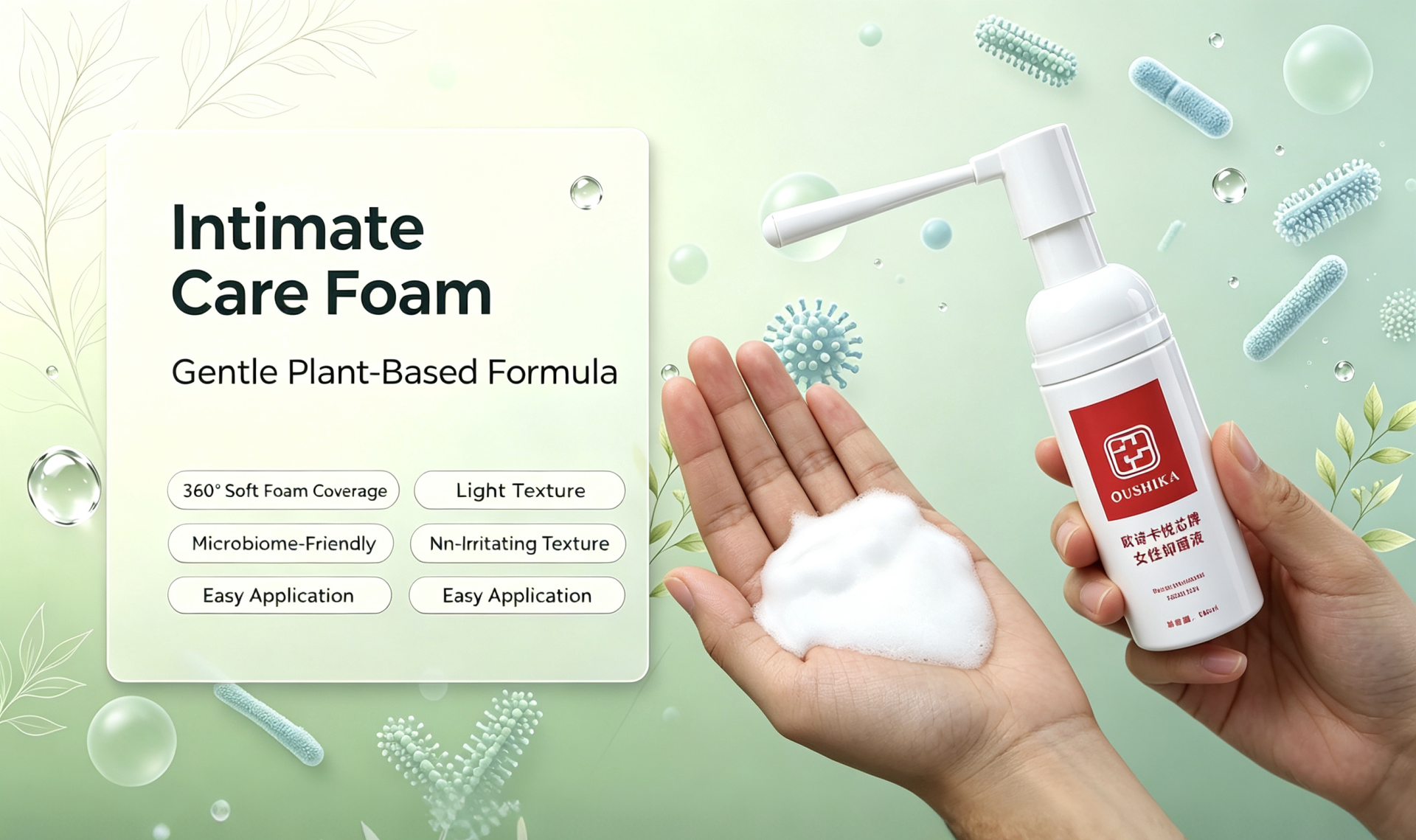
The category spans feminine washes, vaginal foams with applicators, hygiene sprays, antibacterial creams, essences and serums, massage serums and capsules. Each format has its own filling line, packaging engineering and testing scope, and the format you choose will shape which notifications are straightforward and which are not.
We have set out the full format map separately in our guide to private label intimate product types and formats, including what each format changes for your brand. For a Southeast Asia project, the more useful first question is which of the six markets you are entering, and in what order.
The Six Southeast Asian Markets at a Glance
Before comparing manufacturers, it helps to see how differently the six markets treat the same product. The table below summarises the notification route, the channels that matter most, and the question buyers ask us most often about each one.
| Market | Notification Route | Channels That Matter Most | What Buyers Ask Most |
|---|---|---|---|
| Indonesia | BPOM cosmetic notification, plus a separate halal gate for retail | Pharmacy chains, marketplace, DTC | Does the manufacturer already have BPOM filing experience? |
| Malaysia | NPRA cosmetic notification, with strong halal expectations at retail | Pharmacy, Muslim-majority retail, DTC | Is the formula halal-compliant and does the label reflect it? |
| Thailand | Thai FDA cosmetic notification, with close scrutiny of claim wording | Pharmacy, clinic, beauty retail | Who has handled Thai FDA labelling before? |
| Vietnam | Cosmetic product notification, with batch testing for enhanced-management groups | E-commerce, pharmacy, DTC | How long from sample approval to first shipment? |
| Philippines | FDA Cosmetic Product Notification, filed only through a licensed local holder | Pharmacy, mall retail, e-commerce | What does the CPN filing require from the manufacturer? |
| Singapore | HSA cosmetic notification — post-market surveillance, not pre-approval | Premium retail, pharmacy, DTC | Can the same formula be notified in Singapore and Malaysia? |
Country by Country: What Each Market Requires
Each section below covers the route, the point buyers most often miss, and where the delay usually comes from.
Indonesia
Indonesia requires a BPOM cosmetic notification before a product can be sold, and halal certification operates as a second mandatory gate for retail distribution — it is not an optional marketing badge. The two run on separate timelines, and a brand that plans only for the notification will find itself unable to place stock with the retail partners it was targeting. The documentation is covered in our Indonesia BPOM registration guide.
Malaysia
Malaysia runs its own NPRA cosmetic notification, and while the filing framework is more streamlined than Indonesia's, halal expectations in the market are just as strong and labelling must be prepared in Bahasa Malaysia. The most common planning error is treating a Malaysian file as a copy of an Indonesian one. The BPOM, NPRA and Thai FDA comparison sets the three side by side, and halal-specific sourcing rules are covered in our halal raw material guide.
Thailand
Thailand requires a Thai FDA cosmetic notification, and the hold-up is rarely the formula. It is claim wording: statements that are unremarkable in one market can fall into a differently regulated category in Thailand, and the notification stalls while the label is rewritten. Buyers entering Thailand after Indonesia frequently budget for the filing but not for the relabelling cycle.
Vietnam
Vietnam uses a cosmetic product notification, but certain product groups sit in an enhanced-management category that triggers batch testing obligations on top of the notification itself. Whether your format falls into that group is a question worth settling before sampling, not after, because it adds a testing cycle to the critical path. Our Vietnam cosmetic notification guide walks through the framework and the batch-testing rule.
Philippines
The Philippines requires an FDA Cosmetic Product Notification, and it operates an LTO-first rule: without a licensed local holder, there is no route to file at all. This is the single most common scheduling surprise in the market, because brands often select a manufacturer, develop a sample and only then discover that the local-holder appointment had to happen first. Details are in our Philippines FDA CPN guide.
Singapore
Singapore is structurally different from the other five. HSA runs cosmetic notification as a post-market surveillance system rather than a pre-approval gate, which means a product can reach the market quickly — but the obligation does not end there. There is an annual re-notification rhythm and a product information file that has to be maintained and produced on request. Our Singapore HSA CPN guide and the Singapore sourcing guide cover both sides.
What an OEM Manufacturer Supplies for a Southeast Asia Launch
Once the market order is settled, the manufacturer's job is concrete. For a Southeast Asia launch, a private label intimate care products OEM manufacturer should be able to deliver the following without subcontracting the core of it.
| What You Need | What the Manufacturer Delivers | Why It Matters for ASEAN |
|---|---|---|
| Proven base formulas | Stock and semi-custom bases across each format | Shortens the path to a first notification |
| Sample evaluation | Physical samples against your brief before bulk commitment | Lets you settle claims wording before labelling begins |
| Packaging engineering | Applicator, airless and tube formats matched to the formula | Applicator formats are the slowest item to tool |
| Batch-based production | Order quantities set per format rather than one global figure | Keeps first-market testing affordable |
| Export documentation | COA, SDS, stability and third-party test reports | These are the annexes your notification depends on |
| Label and claim review | Wording checked against the destination market's rules | Claim wording is the most common cause of delay |
Our private label and OEM/ODM services are structured around this sequence for export projects, and the full range is listed under intimate care products.

The Documentation Set a Southeast Asia Project Actually Needs
Across all six markets, the same core documents are requested again and again. What differs is the annex each authority adds on top — which is why a manufacturer that holds the full set as routine is a different proposition from one assembling it per order.
| Document | Used For | Market Note |
|---|---|---|
| Certificate of Analysis (COA) | Batch release and filing annexes | Must be batch-specific, not a template |
| Safety Data Sheet (SDS) | Shipping classification and customs | Required in every one of the six markets |
| Stability test report | Shelf-life claims in the notification | Tropical conditions are the usual sticking point |
| Third-party safety testing | Skin and mucosal irritation evidence | Accredited-lab reports carry more weight |
| Halal documentation | Retail access in Indonesia and Malaysia | A retail gate, not a marketing extra |
| Label artwork and claims review | Market-specific labelling compliance | Where Thailand and Vietnam most often stall |
Note: the stability question deserves particular attention in this region. A report generated for a temperate market does not automatically support a shelf-life claim for product stored and shipped through tropical conditions. Our tropical climate stability guide covers what changes, and the wider testing framework is explained in the CMA test report guide.

Matching the Manufacturer to Your Market and Stage
The six markets are not equally demanding, and the right entry order depends on what you already have in place.
| Your Situation | What to Prioritise | Common Mistake |
|---|---|---|
| First entry, one market | A manufacturer that has filed in that market before | Choosing on price and absorbing the learning curve yourself |
| Multi-market rollout | One formula that can be notified in several markets | Assuming a single file transfers between countries |
| Pharmacy or clinic channel | Mucosal testing, efficacy data and batch traceability | Discovering the testing gap after the buyer's audit |
| Halal-sensitive retail | Raw-material documentation, not just a finished-product claim | Treating halal as a label rather than a supply-chain rule |
Frequently Asked Questions
Which Southeast Asian countries can a private label intimate care OEM manufacturer supply?
All six major markets — Indonesia, Malaysia, Thailand, Vietnam, the Philippines and Singapore — are reachable from a single manufacturing base, provided the manufacturer can produce the documentation each one requires. What differs is the notification route and, in the Philippines, the requirement for a licensed local holder before filing.
What registration is needed before selling intimate care products in Indonesia?
A BPOM cosmetic notification is the primary requirement, and halal certification functions as a second mandatory gate for retail distribution. The two run on separate timelines, so both should be planned from the start rather than sequenced one after the other.
Is halal certification required in Malaysia as well as Indonesia?
Halal expectations are strong in both markets and bear directly on retail access, but the compliance route differs: Indonesia operates a mandatory certification gate, while Malaysia applies strong market expectations alongside its NPRA notification. In both cases the requirement reaches back into raw-material sourcing rather than being a finished-product label.
Can one manufacturer cover all six markets with a single formula?
Usually yes for the formulation itself, but not automatically for the paperwork. A single base formula can typically be notified in several markets, while the label wording, claim language and some testing annexes are market-specific. The practical constraint is documentation scope, not production capability.
How long does it take from sampling to the first shipment?
It depends more on the registration route than on manufacturing. Sample evaluation is the short part; the notification timeline in each market is what sets the critical path, and in the Philippines the local-holder appointment precedes the filing entirely. A realistic plan sequences the registration in parallel with sampling rather than after it.
What is the minimum order quantity for a Southeast Asia launch?
It is set per format and per packaging type, so a single figure for the region is not meaningful — liquid formats are generally quoted by batch weight, capsule formats by unit count. Ask for it in writing, per SKU, before committing to samples.
Choose a Manufacturer That Can Clear All Six Markets
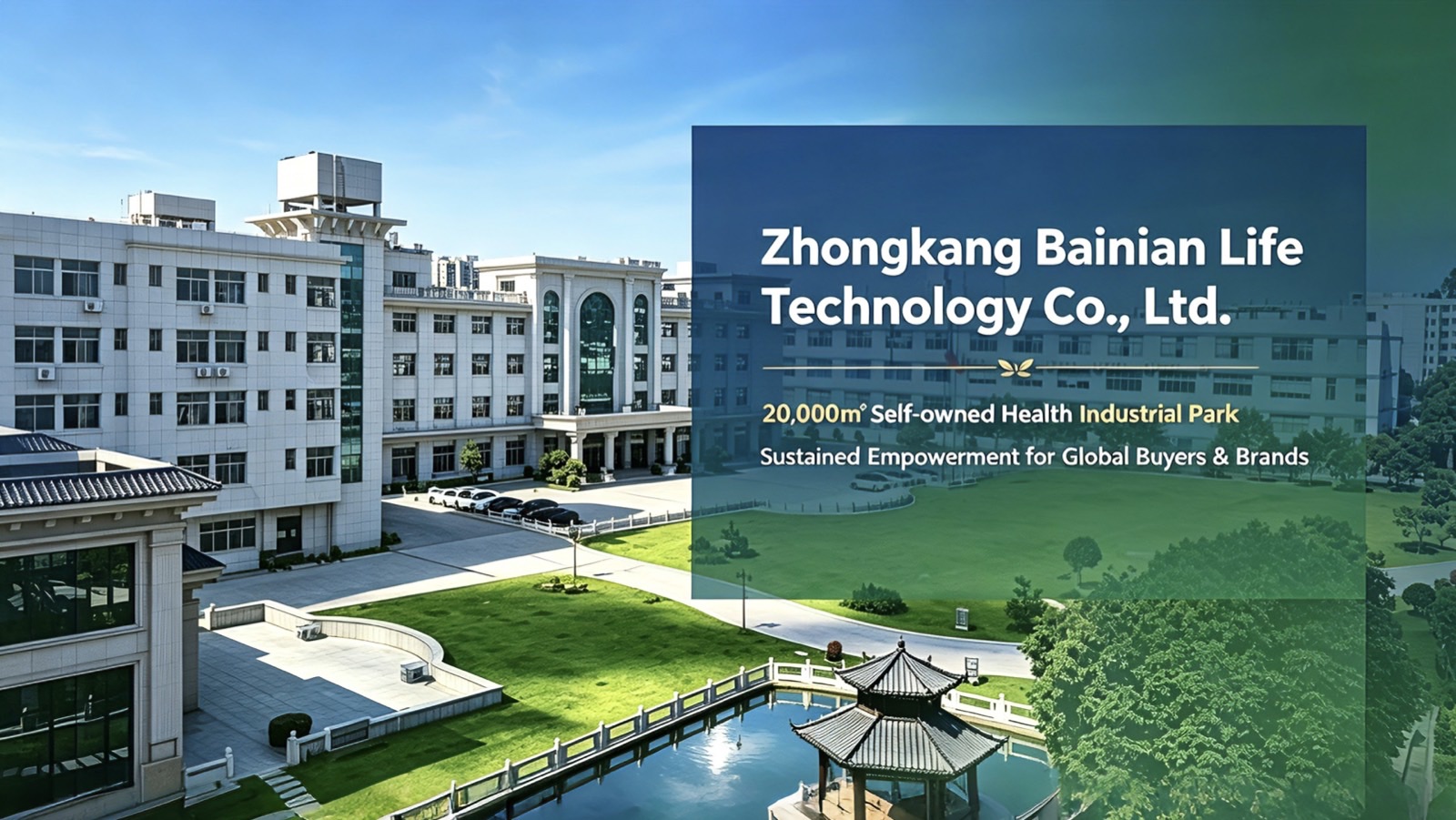
Zhongkang Bainian is an R&D-led OEM/ODM manufacturer of private label intimate care products, producing in Quanzhou, China for brand owners across Southeast Asia and beyond.
| Requirement | Our Capability |
|---|---|
| Facility | 20,000 m² self-owned industrial park with 100K-class clean workshop |
| Quality system | SGS-certified GMPC (Cosmetic GMP) & ISO 22716, with ISO 9001/14001/45001 |
| Testing | CMA-accredited microbiological, heavy-metal and mucosal irritation testing |
| Export documentation | COA, SDS, stability and third-party test reports prepared as standard |
| Formats | Wash, foam with applicator, spray, cream, essence, massage serum and capsules |
| Track record | 37+ years of group factory heritage, trusted by 1,000+ brands |
Planning a Southeast Asia launch? Contact our OEM team with your target markets and format, and we will set out the documentation sequence each one requires.
*This guide is for informational purposes only. Regulatory requirements vary by market and change over time. Always consult with local regulatory experts before finalizing product specifications or registration plans for your target markets.*