What Tropical-Climate Stability Requirements Should Southeast-Asia B2B Intimate-Care OEM Buyers Pay Attention To?
Southeast-Asia B2B private-label buyers: what tropical accelerated stability tests are required for feminine intimate wash OEM? Understand shipping-related quality risks, failure phenomena and factory evaluation standards for Indonesia, Malaysia and Thailand markets.
Southeast-Asia B2B private-label buyers in Vietnam, Thailand, Indonesia, Malaysia, the Philippines and Singapore: what tropical accelerated stability tests are required for feminine intimate care OEM factory selection? Understand shipping-related quality risks, failure phenomena and factory evaluation standards.
Introduction
For feminine intimate-care liquid wash exported to Southeast Asia, ordinary temperate-zone stability data cannot guarantee real-world performance. Long-distance sea freight and local tropical high-temperature-high-humidity storage may trigger phase separation, color shift, pH drift or preservative system failure. Qualified OEM projects must complete tropical-simulated accelerated stability testing before mass-production, instead of relying only on standard room-temperature test reports.
Sea containers crossing equatorial waters can reach 45℃ or higher, combined with continuous high humidity. Many private-label brands encounter post-shipment quality complaints: products look fine at factory acceptance, yet deteriorate after arriving at Indonesia, Malaysia or Thailand warehouses. These quality risks stem from ignoring tropical environmental stress during formula screening and pre-production verification.
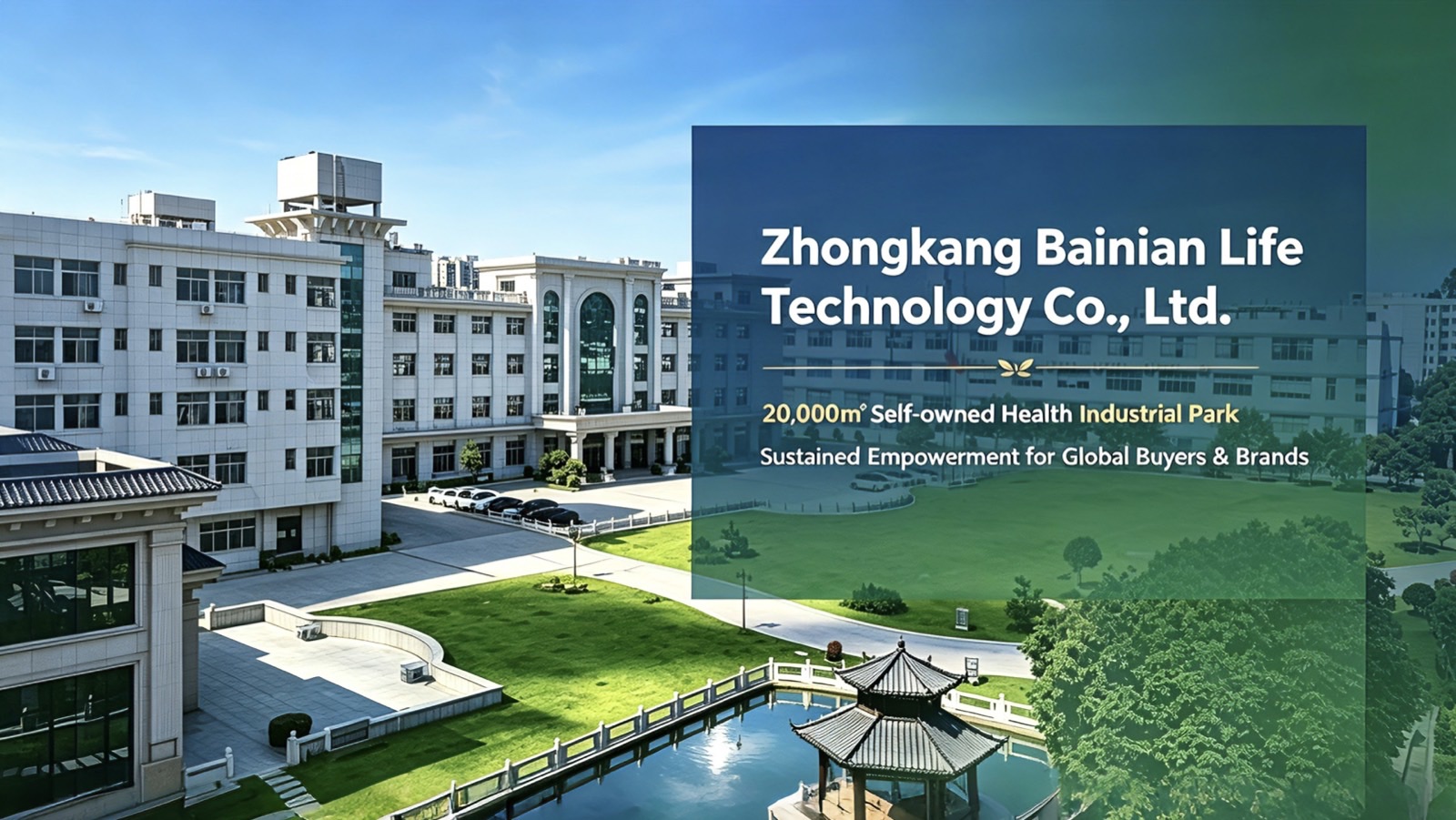
This article explains real-world environmental challenges for feminine intimate wash sold in Southeast Asia, lists typical stability defects, clarifies what tropical-oriented stability testing should cover, and delivers actionable judging criteria for B2B private-label buyers. Practical project experience from Zhongkang Bainian is referenced.
1. Real-world tropical environmental stress for intimate-care liquid wash
Two major stress factors threaten liquid intimate-care formulations during shipping and local storage:
1. High temperature & temperature cycling: Ocean container interior may hit 40-45℃; day-night temperature alternation occurs during weeks-long sea transportation. Heat accelerates surfactant hydrolysis, plant extract oxidation and pH value shift.
2. Persistent high humidity: Humidity inside sealed warehouse and retail shelf environment. Poor packaging barrier performance will introduce moisture and increase microbial contamination risk.
Even if raw-material and finished-product pass regular testing at 25℃, performance may collapse under tropical combined stress.
2. Typical stability failure symptoms for feminine intimate-care liquid wash
Common defects observed in real-world Southeast-Asia market feedback:
- Phase separation / flocculation: liquid generates flocculent precipitate, system loses homogeneity, mostly caused by surfactant incompatibility under high temperature.
- Color changing / yellowing: botanical extracts oxidize under long-term high-temperature condition, product color deviates from original sample.
- pH drifting out of target window: pH rises or falls beyond 4.0-5.5 suitable for external intimate skin, weakening mild performance.
- Preservative system failure: invalid anti-microbial system leads to yeast and mold growth inside finished liquid, triggering safety complaints.
- Fragrance alteration: heat-sensitive aroma ingredients degrade, scent changes obviously compared with initial sample.
Note: These defects may not appear within short-term lab room-temperature observation; they only emerge under prolonged tropical-simulated stress conditions.
3. What should qualified tropical-oriented accelerated stability testing contain?
For feminine intimate-care liquid wash targeting Southeast-Asia markets, test scope should cover below key items:
1. Constant high-temperature storage test: 45℃ sustained storage for minimum 8-12 weeks, observe appearance, pH, viscosity, color and fragrance changes.
2. Temperature cycle test: alternate high-low temperature cycles simulating sea-freight temperature fluctuation.
3. High-temperature & high-humidity constant-humidity chamber test, simulating local warehouse storage condition.
4. Centrifugation test, to evaluate anti-separation performance under mechanical vibration stress during transportation.
5. Post-stress microbial challenge test: verify whether preservative system still maintains effectiveness after high-temperature aging.
Standard temperate-zone stability report without above tropical-simulated items cannot satisfy BPOM, NPRA and Thai-FDA practical filing expectation.
Industry Reference(Zhongkang Bainian):
When developing private-label formulas for Southeast-Asia clients, Zhongkang Bainian completes full tropical-simulated accelerated stability assessment in advance. Only formulas passing all stress-condition checks move forward to sample-making and mass-production stages.
4. B2B private-label buyers' practical sourcing evaluation points
When assessing Chinese OEM factories, buyers may raise these practical questions:
1. Can you provide complete tropical-simulated accelerated stability test report for this exact formula, not general-purpose reference data of other formulas?
2. Does the stability test include post-aging pH detection and microbial challenge test?
3. For plant-extract-rich intimate wash, what anti-oxidation measures are adopted to resist color-shift risk under long-term high-temperature storage?
4. What packaging suggestions can you give to match tropical-climate logistics and shelf-storage requirements? (light-shielding bottle, air-tight pump-head structure etc.)
Warning signal
Factory only provides room-temperature stability data, refuses to deliver tropical-simulated stress-test documents, or uses other product's test report to substitute target-formula testing. Such situation represents higher post-shipment quality risk.
Conclusion
Tropical high-temperature-humidity environment is a non-ignorable constraint for feminine intimate-care liquid wash sold in Indonesia, Malaysia and Thailand. Room-temperature qualified formulas may still deteriorate after sea-freight transportation. B2B private-label project holders should require formula-specific tropical-simulated accelerated stability reports before confirming mass-production, rather than only checking finished-product fresh-sample lab reports. This is critical to reduce overseas after-sales quality complaints.
Related Reading
Southeast-Asia Intimate-Care OEM Selection Guide (Hub) — the complete sourcing framework
View our certified OEM factory & manufacturing background — factory capabilities, certifications & OEM terms