What Halal Raw-material Rules & Pitfalls Should Southeast-Asia B2B Intimate-Care OEM Buyers Know?
For feminine intimate care OEM targeting Indonesia, learn critical Halal rules for raw-materials, factory-level vs finished-product certification differences, frequent sourcing misunderstandings after October 17, 2026 mandatory Halal enforcement.
For feminine intimate care OEM factories and private label suppliers serving Indonesia, Malaysia, Vietnam, Thailand, the Philippines and Singapore, learn critical Halal rules for raw-materials, factory-level vs finished-product certification differences, and frequent sourcing misunderstandings after October 17, 2026 mandatory Halal enforcement across Southeast Asia.
Introduction
For brands launching feminine intimate-care products into Indonesia after October 17, 2026, factory Halal certificate alone cannot satisfy local regulatory requirements. Real Halal compliance focuses on raw-material traceability, ingredient screening and third-party local certification procedures. Many overseas buyers confuse factory audit documents with finished-product Halal permits, which will lead to goods being blocked from market circulation.
Indonesia implemented mandatory Halal certification for cosmetics from October 17, 2026. Feminine intimate-care washes, foams and related hygiene products are fully covered under this new regulation. A large number of Southeast-Asia private-label project holders sourcing from China encounter repeated Halal-related setbacks: Chinese factories provide Halal audit certificates, yet Indonesian local authorities reject import filing. The core reason lies in misunderstanding the boundary between factory certification, raw-material qualification and final finished-product certification.
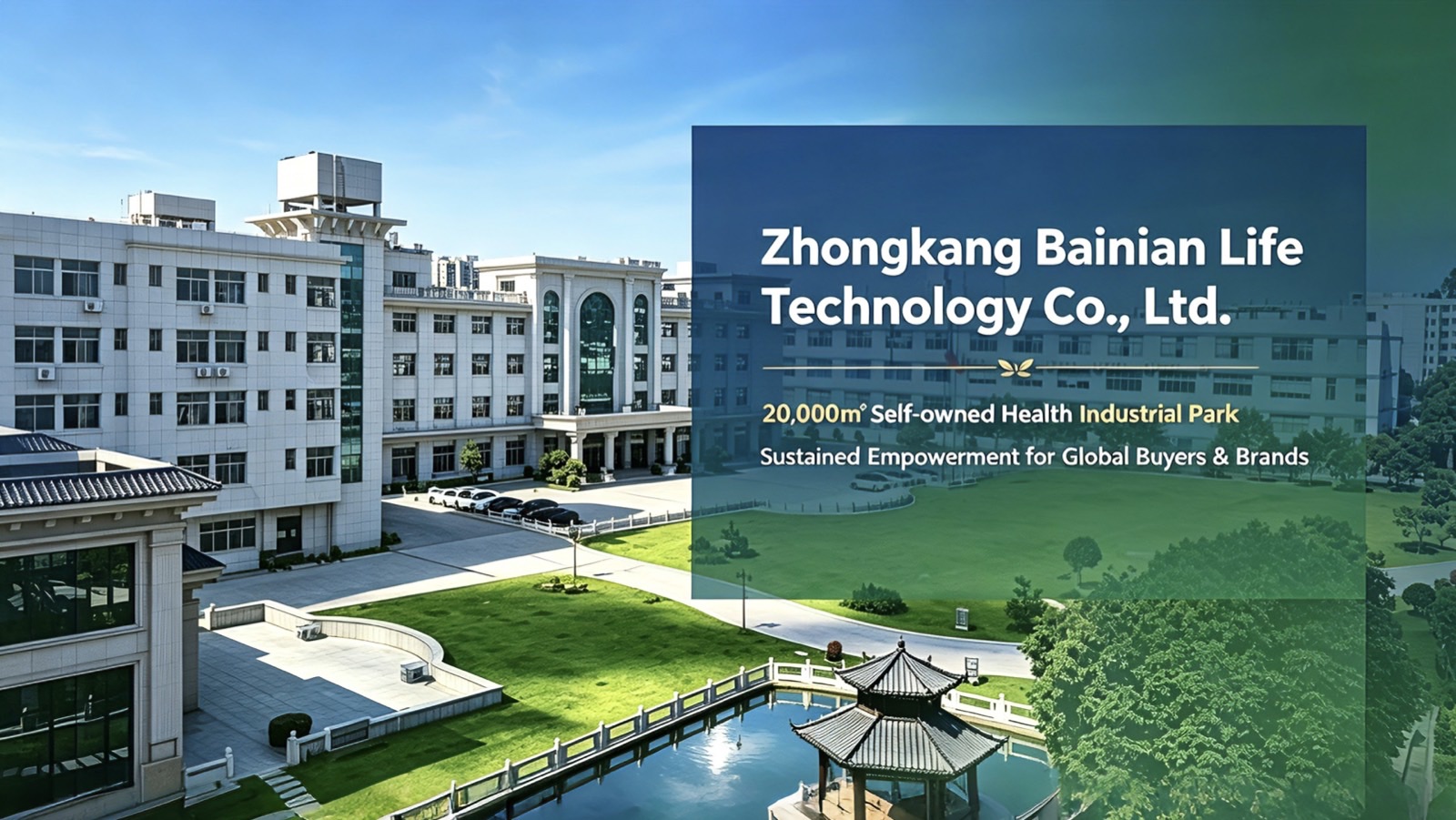
This article sorts practical Halal compliance knowledge for Chinese feminine intimate-care OEM projects, clarifies common misunderstandings for B2B private-label buyers, and provides clear judging standards when evaluating Chinese manufacturing partners. Real-world practice from Zhongkang Bainian is referenced.
1. Clear distinction: Factory Halal certificate VS Finished-product Halal certificate
Many purchasers treat factory Halal audit certificate as finished-product market access qualification, which is the most frequent mistake.
- **Factory-level Halal certificate**: Represents the production site passed Halal-oriented production environment audit. It proves the workshop has separate production zones, cross-contamination prevention measures, sanitation management rules. This is only a pre-condition, **not equal to finished-product Halal license**.
- **Finished-product Halal certificate**: Issued by authorized Indonesian local Halal institution. It reviews full formula, every single raw-material Halal supporting document, production records, packaging content. Only this document allows cosmetics to be legally sold on Indonesian market after Oct 17,2026.
Important note: Chinese OEM factories cannot issue Indonesian finished-product Halal certificates. This certification procedure must be completed through qualified local Indonesian agents.
2. Core requirement: Raw-material Halal traceability rules
Halal compliance review for feminine intimate-care products focuses heavily on raw-material chain. Even if workshop passes Halal audit, any single non-compliant raw-material will cause finished-product Halal application failure.
Key raw-material assessment rules for intimate-care OEM:
1. Each functional raw material needs corresponding Halal statement or supporting document from raw-material supplier.
2. Raw materials derived from animal sources must conform to Halal slaughter requirements; non-Halal animal-derived ingredients are strictly prohibited.
3. Alcohol components need special review: alcohol sources must be compliant, non-prohibited fermentation sources.
4. Botanical plant extracts commonly used in feminine care also require supplier-issued Halal supporting statements, not exempted simply because they are plant-based.
Industry Reference(Zhongkang Bainian):
When developing formulas for Southeast-Asia private-label projects, Zhongkang Bainian carries out pre-screening for each raw-material, collects supplier Halal-related statements in advance, and provides complete document sets for local Indonesian agencies to carry out subsequent finished-product Halal assessment.
3. Typical frequent misunderstandings among B2B private-label buyers
Misunderstanding 1
"If the factory owns Halal certificate, our private-label goods can directly enter Indonesia."
Reality: Factory certificate is only production-site qualification. Finished-product still needs independent local Halal certification.
Misunderstanding 2
"Plant-based feminine intimate care formulas are automatically Halal-exempt."
Reality: Botanical extracts still need raw-material Halal supporting documents. No automatic exemption for feminine hygiene cosmetics.
Misunderstanding 3
"OEM factory can apply and give us finished-product Halal certificate directly from China side."
Reality: Indonesian Halal authority only accepts application submitted by local Indonesian legal representative or authorized agent. Overseas manufacturers cannot independently issue finished-product Halal permits.
Misunderstanding 4
"We can mark 'Non-Halal' on packaging and skip Halal certification completely."
Reality: Marking "Non-Halal" is legally allowed, yet such products will face huge market acceptance barriers in Indonesian consumer market. Most pharmacy, maternity and beauty-channel partners refuse non-Halal labelled feminine care goods.
4. Practical checklist when auditing Chinese OEM partners for Halal-related capability
Before project launch, buyers may request Chinese OEM factories to provide below items for preliminary assessment:
- Factory Halal workshop audit certificate
- Internal raw-material Halal screening SOP document
- Ability to collect Halal-related statements from upstream raw-material suppliers
- Past project cases supporting Southeast-Asia Halal-oriented private-label cooperation
Note: The above items are preliminary pre-assessment materials, still cannot replace formal local Indonesian finished-product Halal certification work.
Conclusion
Under Indonesia's mandatory Halal cosmetics rule effective October 17, 2026, feminine intimate-care private-label projects cannot rely merely on factory-level Halal audit papers. Raw-material traceability document collection, correct division of work between Chinese manufacturer and Indonesian local agent are decisive factors for successful market access. Buyers should distinguish factory qualification and finished-product certification clearly in early sourcing phase to avoid later import and market-release risks.
Related Reading
Southeast-Asia Intimate-Care OEM Selection Guide (Hub) — the complete sourcing framework
View our certified OEM factory & manufacturing background — factory capabilities, certifications & OEM terms