Propellant-Free vs Aerosol Foam Herbal Intimate Wash: Registration Is the Real OEM Edge
Aerosol foam cleansers long dominated the mass-market intimate hygiene category — but for B2B buyers, format is only table stakes. The decisive question is regulatory status: what the formula is legally allowed to claim. This guide compares the two formats and why disinfectant registration, not foaming technology, is the real OEM differentiator.
More Southeast Asian private-label brand owners are switching from aerosol foam to propellant-free liquid foaming intimate wash — and the most forward-looking now insist on disinfectant-registered formulas that can legally claim bacteriostatic efficacy.
This guide breaks down the format differences, then explains why registration — not format — is the real B2B differentiator for OEM sourcing.
1. Core Drawbacks of Traditional Aerosol Foam Intimate Cleansers
Conventional aerosol foam products rely on chemical propellants and high-strength synthetic surfactants to form instant foam — and almost all are registered as ordinary cosmetics, legally limited to gentle-cleansing claims. The format brings two kinds of risk:
-
Skin barrier damage: Harsh surfactants can break the skin’s natural pH balance, causing dryness, tightness, and dull discomfort after long-term use.
-
Residue discomfort: Aerosol foam formulas often leave an unnatural slippery film on the skin surface, leading to sticky and unclean user experience.
-
Chemical burden: Added propellant ingredients bring unnecessary chemical load on external intimate skin with repeated use.
-
Regulatory ceiling: As cosmetic-grade products, aerosol foams cannot legally claim bacteriostatic protection — the exact claim that lets a private-label brand justify premium pricing.
2. Advantages of Propellant-Free Liquid Foaming Intimate Wash
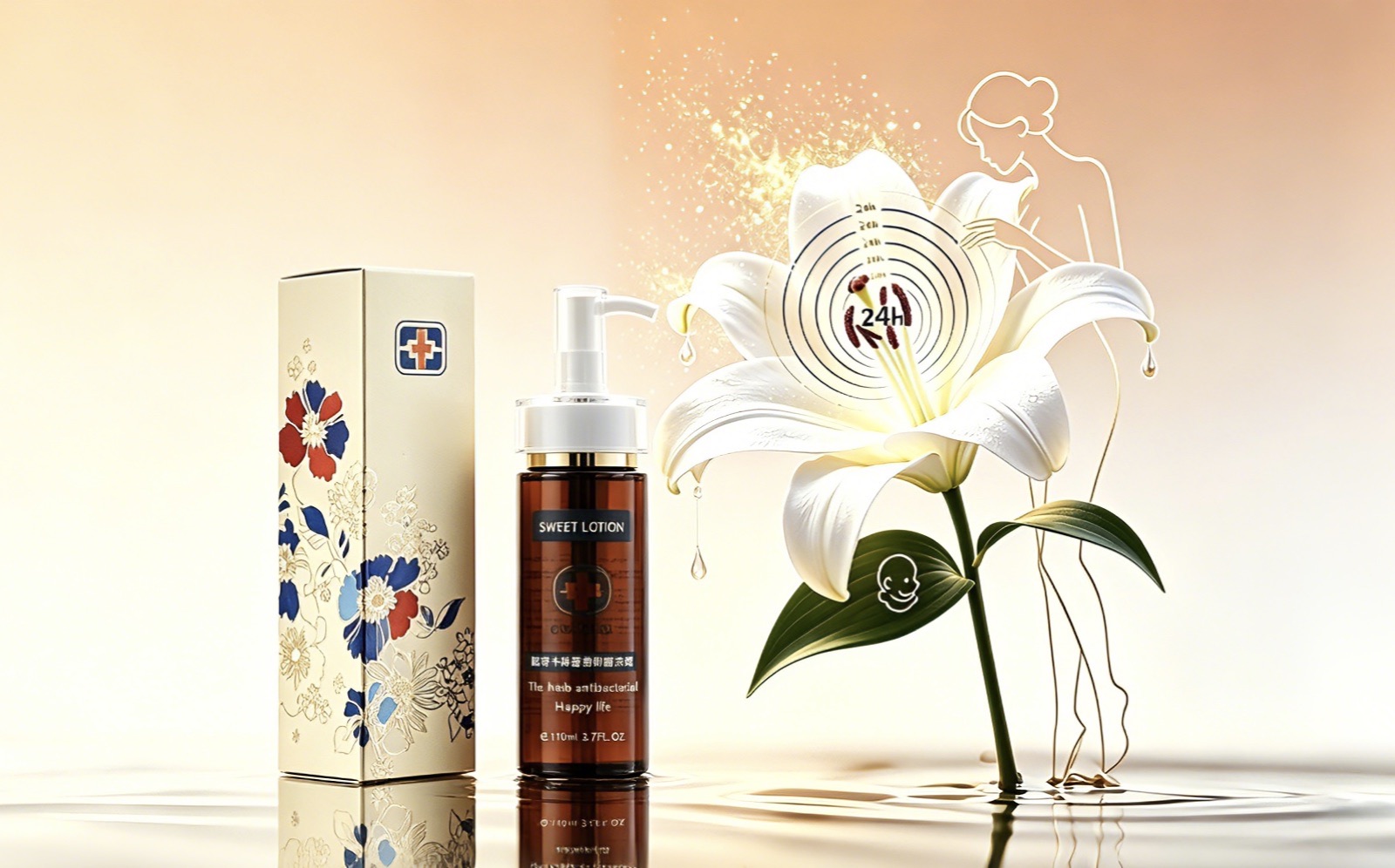
The upgraded liquid foaming formula abandons aerosol propellants and harsh synthetic surfactants, using natural plant-based foaming technology for fine, gentle lather. Crucially, the same formula can be filed under China's disinfectant (Xiaozihao) standard WS 628-2018 — unlocking efficacy claims cosmetic washes cannot make.
-
Pure physical foaming: No chemical propellants, no aerosol gases — a cleaner formula for daily external use.
-
Lab-verified pH balance: Stabilized at pH 5.65, highly compatible with the physiological state of external intimate skin, effectively protecting the skin barrier.
-
Zero residual feeling: Easy to rinse clean, no tightness or fake slippery residue, refreshing and natural after use.
-
Sustained mild bacteriostatic performance: Under laboratory test conditions, the formula achieves around 53% bacteriostatic rate within 5 minutes and up to 64% within 20 minutes against common strains, meeting national hygiene standards.
-
Dual-track registration: Cosmetic registration (Zhuangzihao) for gentle daily care plus disinfectant registration (Xiaozihao) for officially recognized bacteriostatic efficacy — a compliance credential most OEM factories cannot offer.
3. SEA Channel Suitability: Format vs Registration
For B2B buyers the real channel question is registration level. Cosmetic-grade washes — foam or liquid — compete in crowded ordinary retail. Disinfectant-registered formulas qualify for high-value formal channels:
-
Pharmacy chains: Disinfectant-qualified formulas meet strict pharmacy shelf-entry safety standards — most cosmetic washes do not qualify.
-
Postpartum & women's health: Zero-irritation, fragrance-free formula is adopted in postpartum recovery care, where documented safety data matters.
-
Regulated-market listings: Registered bacteriostatic efficacy gives product pages and pharmacy counters a documented claim cosmetic competitors cannot match.
4. OEM Sourcing Verification Checklist
When sourcing intimate wash projects, brand owners must verify beyond format: complete CMA-accredited test reports (pH stability, heavy metals, mucosal irritation, bacteriostatic efficacy) and the actual disinfectant registration certificate — not just a test report. Challenge-testing data and the dual-license factory qualification (cosmetic GMP + disinfectant production permit) are the decisive documents.
Disinfectant registration under WS 628-2018 is what lets a private-label brand claim bacteriostatic protection legally — a credential most cosmetic-only factories cannot provide.
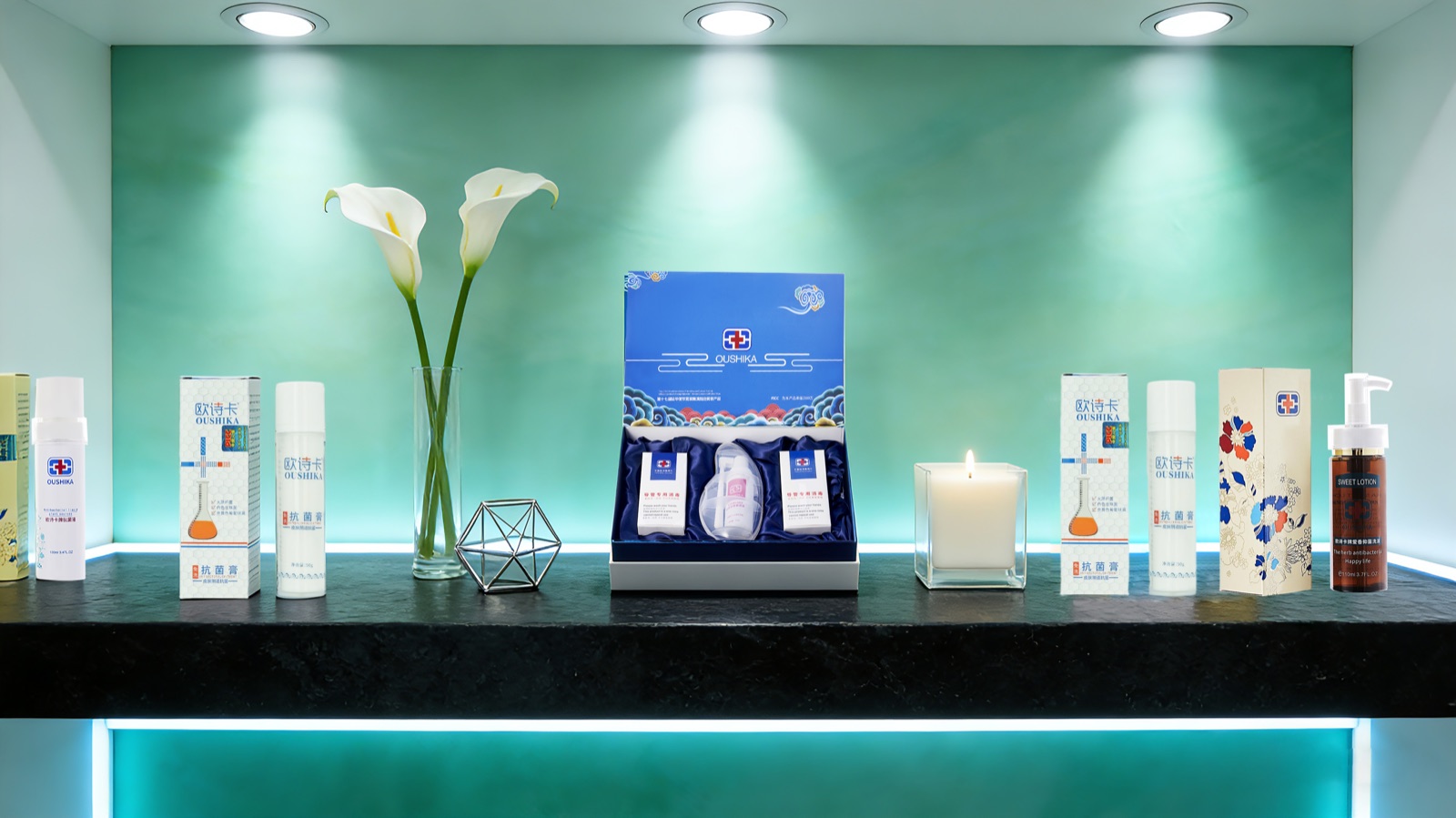
For brands building a registered-efficacy intimate hygiene line, Disinfectant-Registered Herbal Feminine Intimate Wash provides a dual-track formula (cosmetic + disinfectant registration) with complete export documentation support for OEM/ODM and private-label projects.