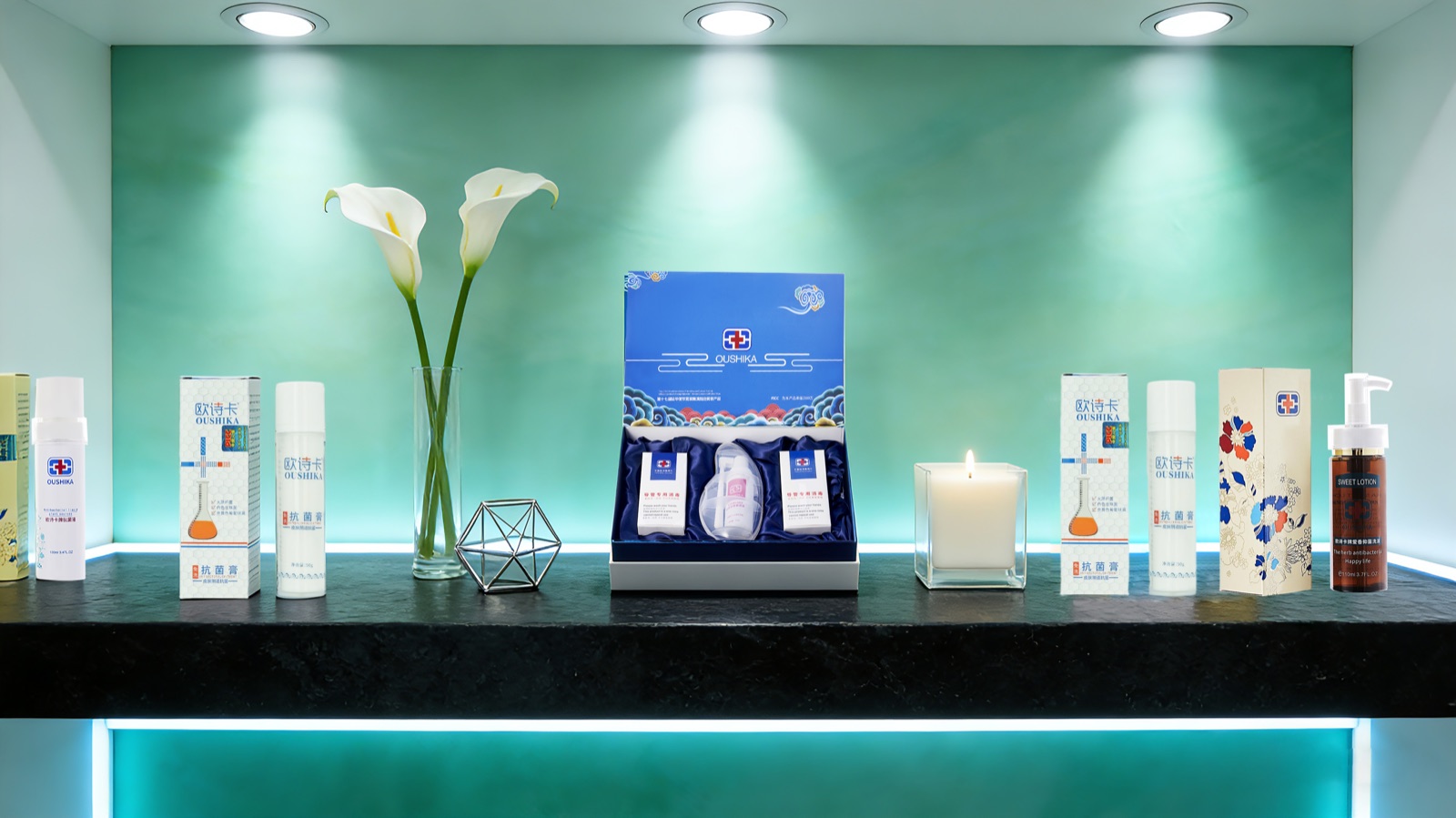
Antibacterial Feminine Wash in the US: Where MoCRA & FDA Draw the Cosmetic-vs-Drug Line for Private-Label Brands
A feminine wash bound for the United States is classified by one sentence: what its label claims. Market it only to cleanse the external intimate area, and FDA treats it as a cosmetic - now governed for the first time in decades by MoCRA, the Modernization of Cosmetics Regulation Act of 2022. Let the label say it kills bacteria, prevents infection or treats irritation, and the same formula is a drug under the FD&C Act. That crossing decides your registrations, your labeling and your cost structure, so it is the first question a private-label buyer should resolve - before MOQ talks, before samples, before the packaging brief.
Most of the feminine-wash enquiries we take from US and Canadian brands assume "antibacterial" is a positioning they can simply import, because their current supplier sells it that way. In the US it is not. This guide sets out the test FDA actually applies, what MoCRA demands from a cosmetic wash, why a Chinese disinfectant registration does not transfer onto a US label, and how a dual-track factory like ours supports a compliant launch without pretending otherwise.
At a Glance: The Three Questions US Buyers Ask First
If you only read one section, read this one. It is the short version of the article, in the order a sourcing call usually goes.
| Sourcing buyer’s first question | Quick answer |
|---|---|
| Is a cleansing-only feminine wash a cosmetic in the US? | Yes. A wash for external cleansing is a cosmetic under FD&C section 201(i), and MoCRA now applies: the foreign facility registers, the responsible person lists the product. No FDA pre-market approval exists for cosmetics. |
| Can I sell an antibacterial feminine wash under my private label? | Only by satisfying US drug rules first. FDA reads antibacterial and antiseptic wording as drug claims, and its 2016 consumer antiseptic wash rule removed most antibacterial actives from rinsed-off washes. In practice there is no ready lane for the claim. |
| What about the supplier’s Chinese disinfectant registration? | Xiaozihao registration under WS 628-2018 is a China-regime credential. FDA does not recognize it as US approval. Use it to qualify the factory and for non-US markets; keep it off the US label. |
Cosmetic or Drug? US Law Decides by Intended Use
FDA does not classify a wash by its ingredients or its formula. It classifies by intended use, read from the label, the website and the advertising. The statutory definitions are straightforward. A cosmetic is an article applied to the human body for cleansing, beautifying, promoting attractiveness or altering the appearance. A drug is an article intended to diagnose, cure, mitigate, treat or prevent disease, or to affect the structure or function of the body. FDA states the test in plain terms on its own "Is It a Cosmetic, a Drug, or Both?" page.
Claims are the evidence. "For gentle daily cleansing," "pH-balanced," "moisturizing" - cosmetic. "Antibacterial," "antiseptic," "antimicrobial," "kills germs," "protects against odor-causing bacteria" - drug. FDA’s disposable wipes guidance gives the cleanest working example: a wipe meant for feminine or personal cleansing is a cosmetic, while a wipe that claims to kill germs on the skin is a drug and must meet drug requirements before it is marketed. Same format, different claim, different regulator.
Two cautions follow for brand owners. There is no recognized "cosmeceutical" middle category in US law; a product is a cosmetic, a drug, or both, and "both" means complying with both sets of rules. And the intended-use reading is not limited to the back label. FDA will look at your site, your ads and your retailer copy, so a claim taken off the label but repeated on the homepage still counts.
Why "Antibacterial Feminine Wash" Has No Ready US Lane
Outside the United States, an antibacterial feminine wash is an ordinary shelf category. In China it is backed by a real registration: disinfectant products registered under the national hygiene standard WS 628-2018 may state bacteriostatic efficacy, with laboratory evidence behind the claim. A factory that holds that registration - our factory is one - can lawfully sell an antibacterial wash in China, Southeast Asia and other disinfectant-registration markets.
The United States never built that lane. FDA’s 2016 final rule on consumer antiseptic washes concluded that 19 active ingredients once common in rinsed-off antibacterial washes - triclosan and triclocarban among them - were not generally recognized as safe and effective for daily use, and it took the ground from under the products that relied on them. A short list of other actives (benzalkonium chloride, for example) was left on a data-collection deferral, which is not the same as an open lane for a new claim. The visible result: mainstream American antibacterial hand and body washes largely disappeared from shelves.
For a feminine wash the consequence is direct. An antibacterial claim makes the product a drug under US law, and there is no standing cosmetic registration that legitimizes it and no ready OTC route that lets an importer simply declare it. When a buyer asks us for "the US version of our Xiaozihao wash," the honest answer is that the positioning itself does not cross the border. The formula can, the manufacturing can, the claim cannot.
When the Wash Stays a Cosmetic: What MoCRA Requires
Staying on the cosmetic side is not a paperwork-free option. MoCRA gave FDA its first general authority over cosmetics since 1938, and the obligations that matter to an importer are now in force.
| MoCRA requirement | Who carries it | Timing and notes |
|---|---|---|
| Facility registration | The foreign contract manufacturer that makes or fills the wash | Enforced for existing facilities from July 1, 2024; new facilities register within 60 days of starting; renew every two years |
| Product listing | The responsible person - the brand or importer whose name is on the label | New products listed within 120 days of first marketing; listing updated annually |
| US agent | The foreign facility names a US-based contact FDA can reach | Set during facility registration; a change of agent is reported to FDA within 60 days |
| Serious adverse event reporting | The responsible person | MoCRA introduced mandatory reporting to FDA for cosmetics - a first for the category |
| Good manufacturing practice | The facility | FDA’s cosmetics GMP rule was still being finalized at the time of writing, with the proposal issued in late 2025 |
Three things to notice. Registration and listing are not approval - FDA does not pre-approve cosmetics, and a listing number is not a certificate of safety or a government endorsement of a brand. For an imported wash, you and the factory have separate duties: the Chinese factory registers as the foreign facility and names a US agent, while you, as the responsible person, list the product and own the adverse-event and record-keeping duties. And the paperwork is continuous rather than one-off: facilities renew every two years, listings update annually, and both draw on the same ingredient data you should already be collecting for other markets.
Where a Chinese Dual-Track Factory Fits, and Where It Stops
This is the part we are asked about most, so we answer it straight. Zhongkang Bainian holds two Chinese licences side by side: a cosmetic production licence (Min-Zhuang 20220008) and a disinfectant production licence, Xiaozihao (Min) Wei-Xiao-Zheng-Zi (2021) No.040036. The feminine wash we are best known for is the disinfectant-registered version - registered under WS 628-2018, with registered bacteriostatic efficacy and CMA-accredited reports behind it. Inside China and in disinfectant-registration markets, that is the strongest credential a wash factory can hold.
For the United States, none of that is FDA recognition. Xiaozihao is a Chinese hygiene-standard registration; FDA has no equivalent cosmetic approval to grant, and it does not treat a Chinese disinfectant registration as a US drug approval. What carries over is the substance behind the credential - the plant-based, pH-balanced formula, the manufacturing discipline that running a disinfectant line imposes, and third-party test data that document what the formula actually is.
| What the label says | What FDA calls it | What to do |
|---|---|---|
| Gentle daily cleansing, pH-balanced, moisturizing, for external intimate skin | Cosmetic under MoCRA | Register the foreign facility, list the product, keep claims on cleansing. No FDA pre-approval |
| Antibacterial, antiseptic, antimicrobial, kills germs, prevents infection | Drug under FD&C section 201(g)(1) | Not a launchable private-label claim as written. Reposition to cosmetic wording, or enter the US OTC drug pathway - a separate and costly program |
| Disinfectant-registered Xiaozihao formula (WS 628-2018) | A China-regime credential, not a US category | Keep it for factory qualification and non-US market entry. Do not carry the registration onto a US label |
| Soothes irritation, treats itch or infection | Drug | Remove or re-scope the claim. Cosmetic claims cannot treat, and no test report changes that |
That is why we describe our US offer as a cosmetic route, plainly. We will produce the same formula, label it for gentle external cleansing, and hand over the documentation a MoCRA listing needs: an INCI ingredient list, product category and ingredient data, finished-formula test reports, and confirmation of our facility registration with US-agent coordination. What we will not do is sell a buyer a story that a Xiaozihao certificate clears an antibacterial US label. A contract manufacturer that blurs that line is passing you a compliance problem, not solving one.
Zhongkang Bainian: A US-Cosmetic Wash, Documented From the Factory
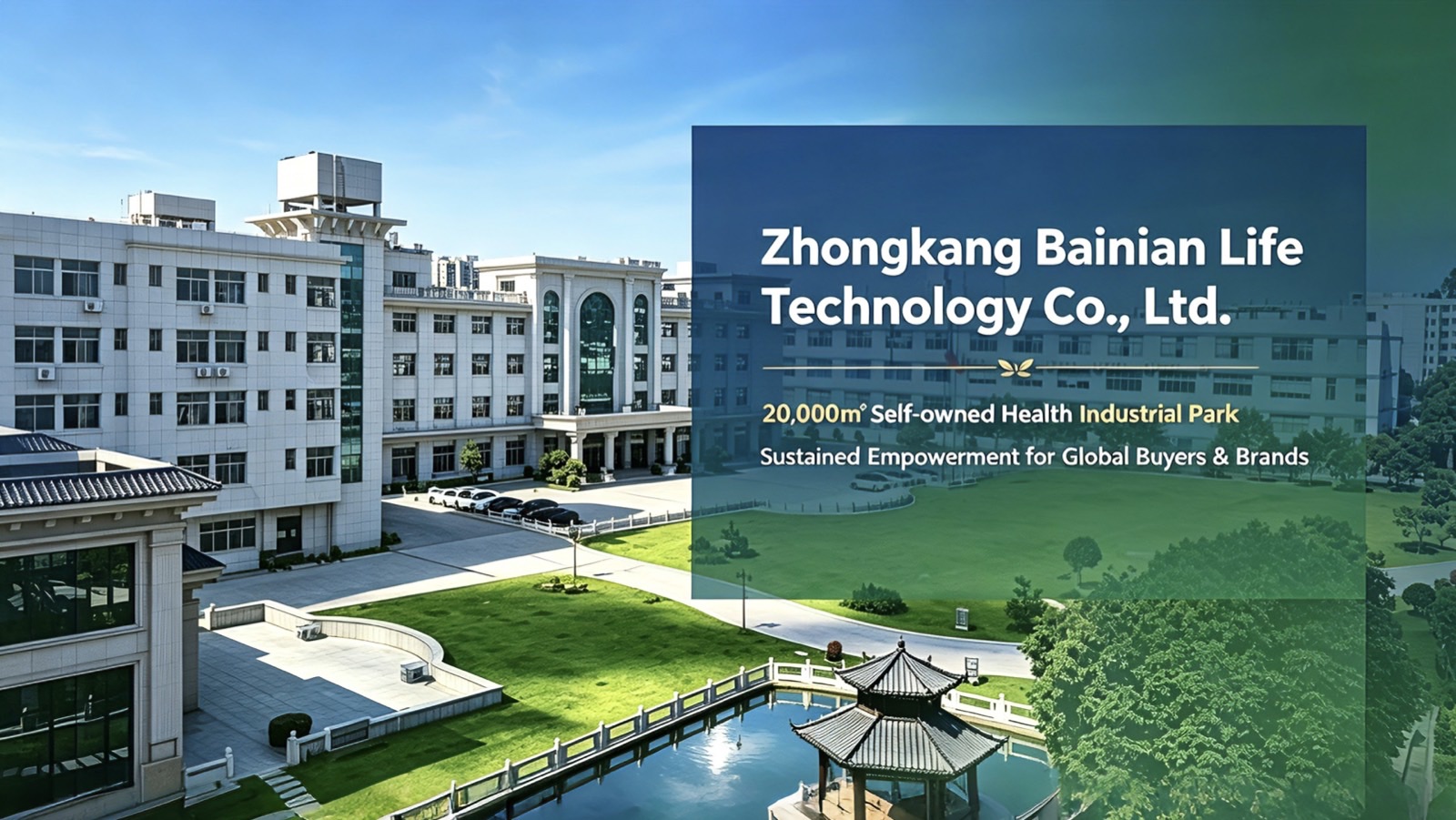
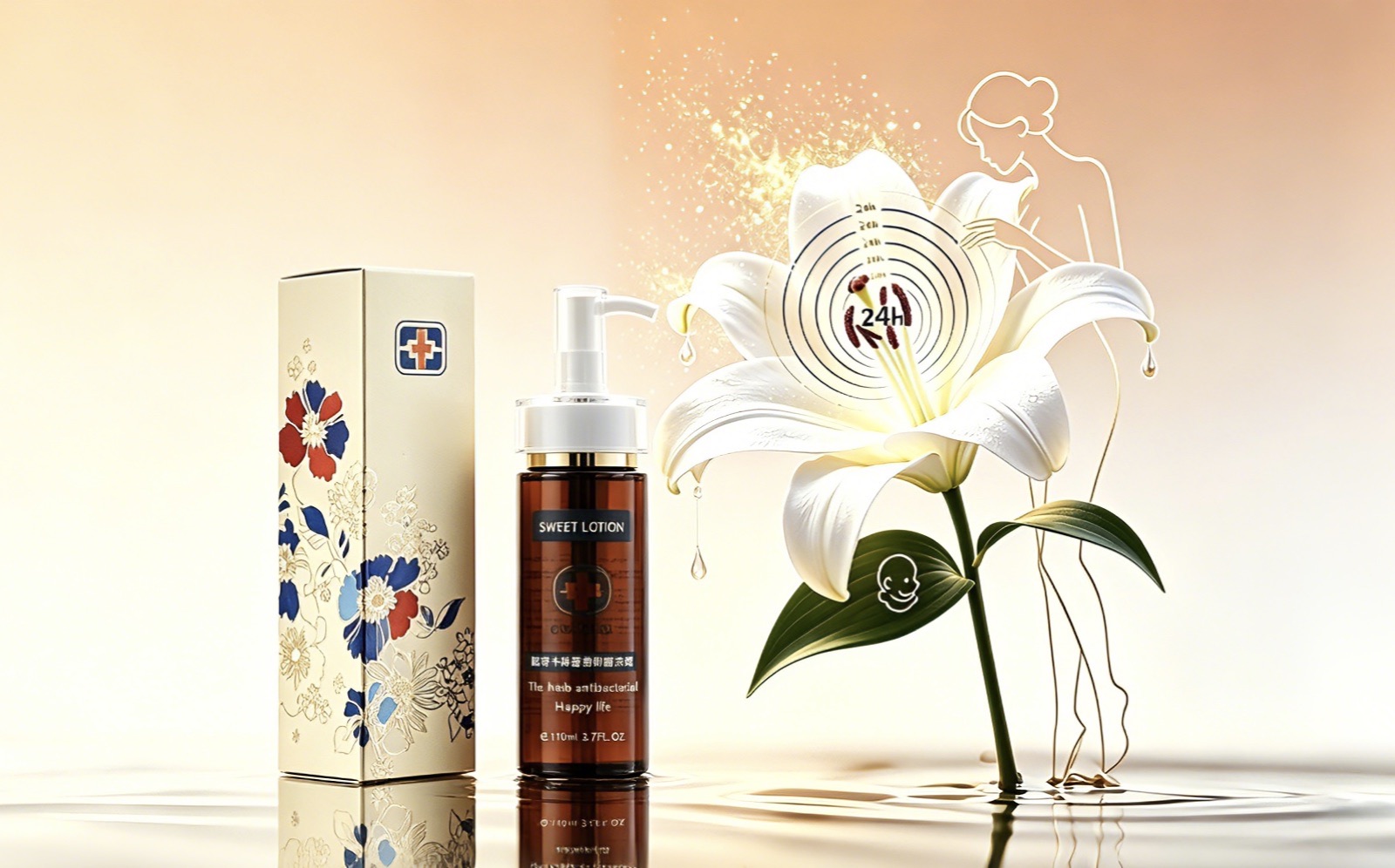
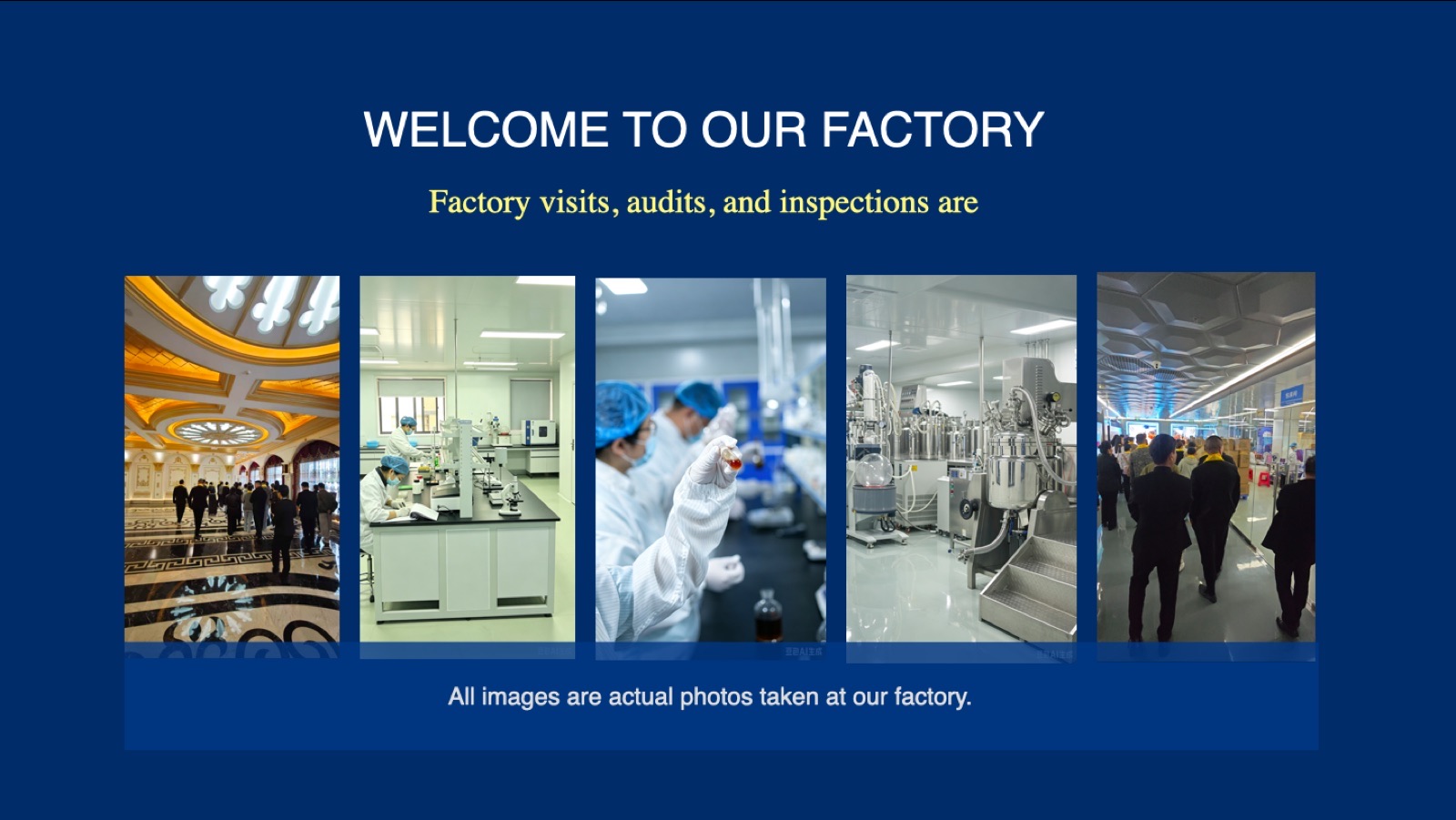
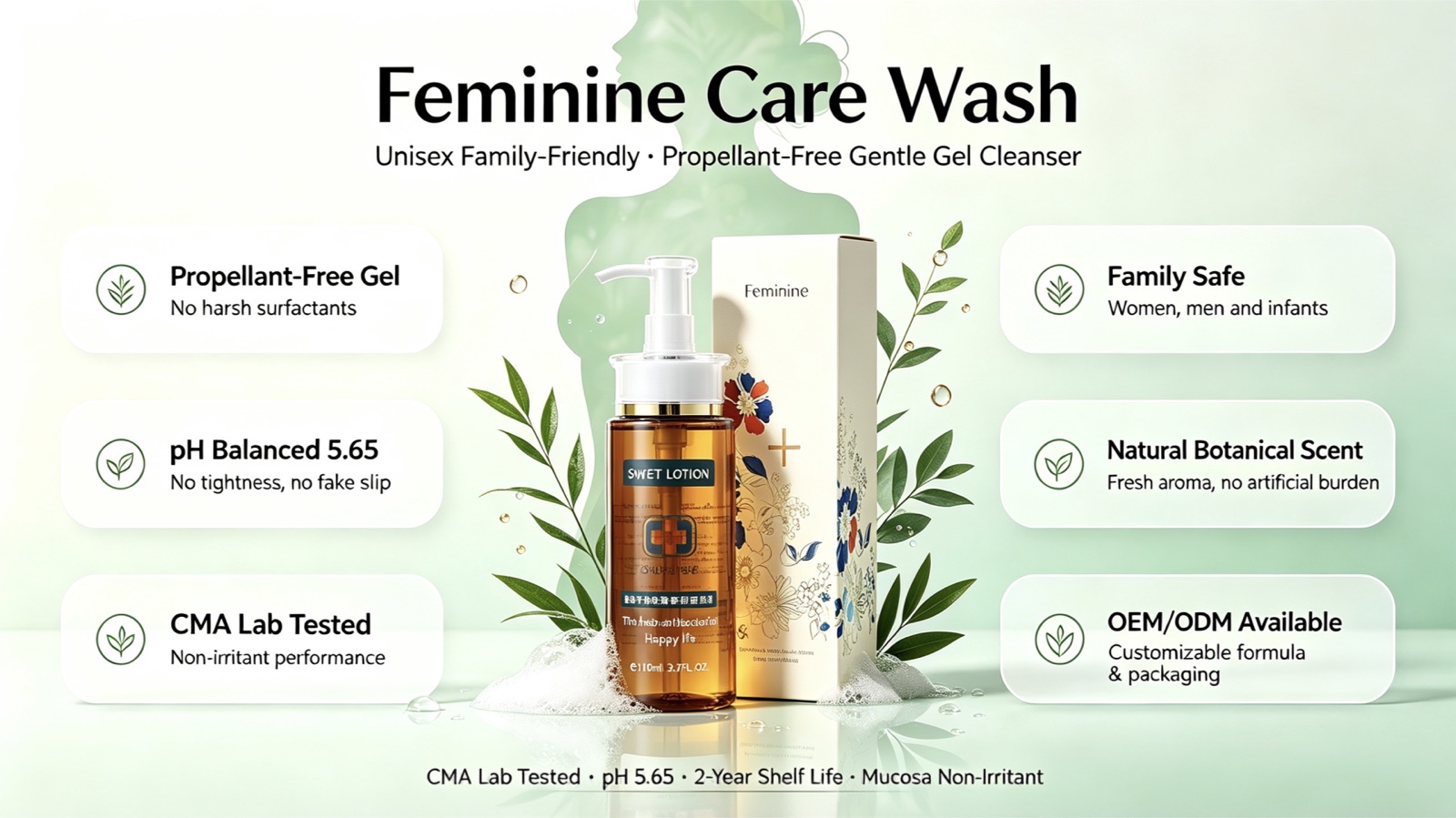
For a US-market launch under a private label, here is what we can put on the table. A pH-balanced, plant-based feminine wash built for gentle external cleansing - no harsh surfactants, mucosal-irritation tested - with a low-fragrance option. A quality system certified to ISO 22716 and GMPC by SGS, a self-owned 20,000 m² industrial park with class-100,000 cleanrooms, and CMA-accredited third-party testing. 37+ years of intimate-care manufacturing, and 1,000+ brand partners served under private label. The cosmetic formulation and its export documentation are kept separate from, and cleaner than, our Xiaozihao line - because that is what a US buyer actually needs.
See the wash itself on our private label feminine wash product page, the licences on our intimate care OEM certifications page, and the external-skin pH science a buyer should check on any wash formula in our 2026 private-label feminine wash pH standard guide. For the claims language and registration reality in Southeast Asia, our export compliance and certification guide covers the differences market by market.
Frequently Asked Questions
1. Is a feminine wash a cosmetic or a drug in the United States?
It depends on what the label claims. A wash marketed only to cleanse the external intimate area is a cosmetic under FD&C section 201(i) and now sits under MoCRA. If the label or the marketing claims the wash kills bacteria, prevents infection or treats irritation, FDA regulates it as a drug under section 201(g)(1). FDA reads intended use from the label and the advertising, not from the ingredient list alone.
2. Can a private-label brand call its feminine wash antibacterial in the US?
Only if it satisfies US drug rules first. FDA treats antibacterial and antiseptic wording as therapeutic claims, and its 2016 consumer antiseptic wash rule took the ground from under most antibacterial actives in rinsed-off washes, triclosan among them. In practice there is no standing OTC route that lets a private-label brand simply add antibacterial to a feminine wash label. Most US-market brands sell a cleansing cosmetic and keep laboratory efficacy data as formulation evidence rather than as label claims.
3. Does a Chinese disinfectant registration (Xiaozihao, WS 628-2018) count for the US market?
No. Xiaozihao registration under WS 628-2018 is a Chinese hygiene-standard credential for disinfectant products; it is what makes bacteriostatic claims lawful within China and in some other Asian markets. FDA does not recognize it as a US drug approval, and it is not a US cosmetic category either. Use it to qualify the factory and its manufacturing discipline, but do not carry the registration wording onto a US label.
4. What does MoCRA require when I import a private-label cosmetic wash into the US?
Three practical obligations. The foreign contract manufacturer registers its facility with FDA and names a US agent. The responsible person - normally the brand or importer named on the label - lists each product within 120 days of first marketing and updates the listing annually. Both facility registration and product listing have been enforced since July 1, 2024. Registration and listing are not approval; FDA does not pre-approve cosmetics.
5. Can Zhongkang Bainian produce a feminine wash that is compliant for the US?
Yes, on the cosmetic route. Zhongkang Bainian can supply the same pH-balanced, plant-based feminine wash formula documented for cosmetic export, with a US-compliant label that stays on cleansing claims. Behind it sit our cosmetic licence (Min-Zhuang 20220008), SGS-certified ISO 22716 and GMPC systems, and CMA-accredited test reports. We are explicit about the boundary: our Xiaozihao disinfectant registration is a China-regime credential, not US recognition, and we do not blur that for a buyer.
Key Takeaways
- US classification of a feminine wash turns on intended use, read from the label and the marketing: cleansing-only is a cosmetic, while antibacterial, antiseptic or treatment wording makes it a drug.
- There is no ready US lane for an antibacterial feminine wash. FDA’s 2016 antiseptic wash rule removed most antibacterial actives, and no standing OTC route covers the claim.
- MoCRA applies to the cosmetic route: foreign facility registration with a US agent, product listing by the responsible person within 120 days, and annual updates, all enforced since July 1, 2024.
- Registration and listing are not approval. FDA does not pre-approve cosmetics, so the responsible person carries the ongoing duties.
- A Chinese disinfectant registration (Xiaozihao, WS 628-2018) qualifies the factory and non-US markets but is not FDA recognition, and it must not appear as a US claim.
- The formula and the manufacturing cross borders; the antibacterial positioning does not. A dual-track factory can supply the same wash as a documented cosmetic for the US, or as a disinfectant-registered product elsewhere.
Sources
US regulatory references used in this article:
- US FDA - "Is It a Cosmetic, a Drug, or Both? (Or Is It Soap?)", cosmetics regulations guidance.
- US FDA - Consumer Antiseptic Wash Products final rule and question-and-answer document (2016, effective 2017).
- US FDA - Disposable Wipes guidance (cosmetic cleansing vs. germ-killing intended use).
- US FDA - MoCRA guidance on Cosmetic Product Facility Registration and Product Listing (enforcement from July 1, 2024).
- US FD&C Act, section 201(g)(1) (drug definition) and section 201(i) (cosmetic definition). MoCRA = Modernization of Cosmetics Regulation Act of 2022, Pub. L. 117-328.
- WS 628-2018 - Chinese national hygiene standard for disinfectant products, cited only as the factory-registration context for non-US markets.
Planning a Feminine Wash for the US? Start With the Compliance Package
Tell us your target market and whether the wash will carry a cleansing or an efficacy positioning. We’ll send the matching formulation option, the licence and test documentation behind it, and a straight answer on what does and does not cross into the US.
*This article is for informational purposes only. Regulatory requirements vary by market and change over time. Always confirm current FDA guidance and consult a local regulatory specialist before finalizing product specifications for the US.*