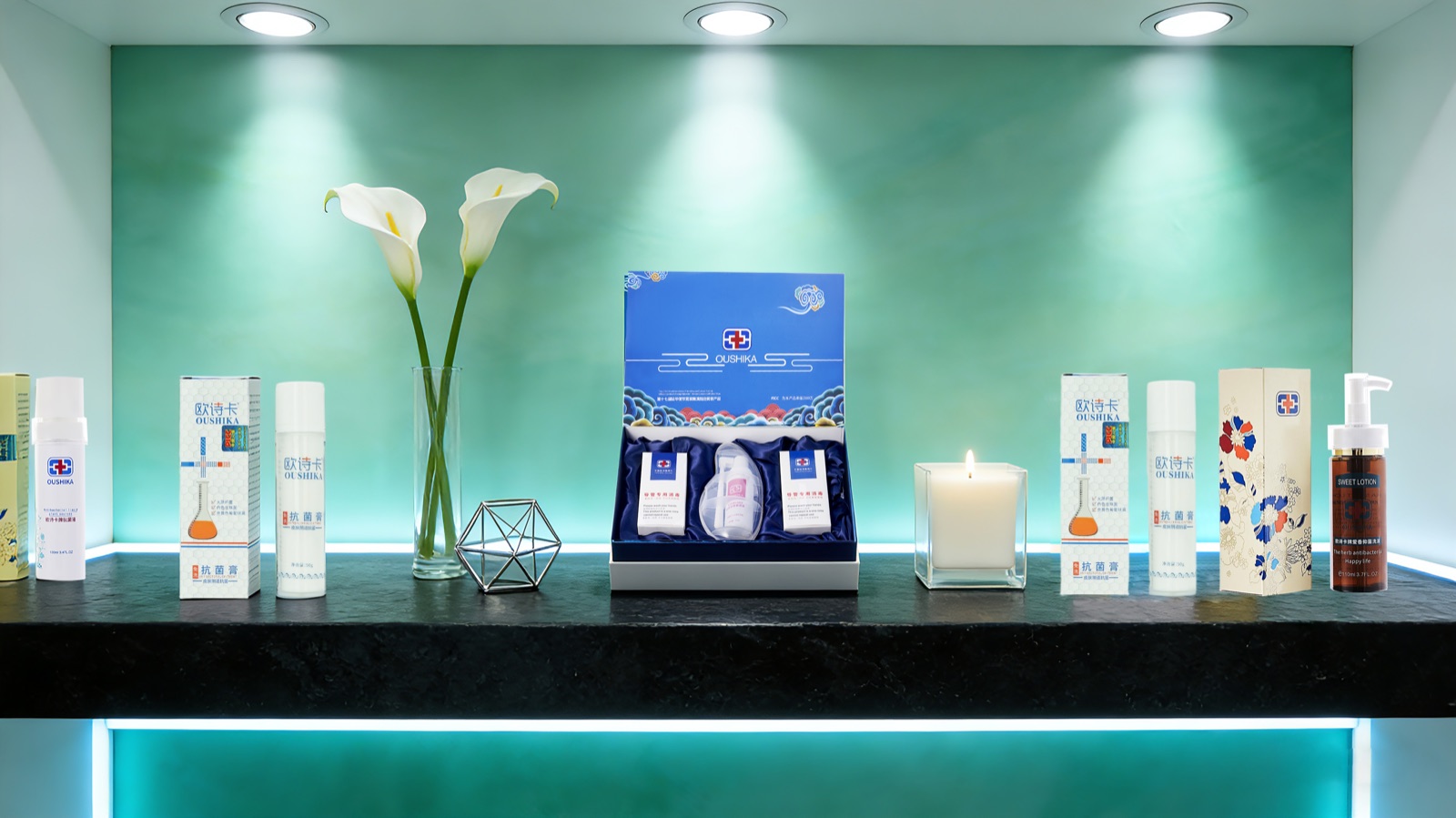
Customized Daily Feminine Wash OEM: Private-Label Herbal Formulas That Are Gentle, pH-Balanced, Hydrating & Microbiome-Friendly
When a brand starts comparing feminine wash OEMs, the natural instinct is to open with price lists and certificates. A more reliable instinct is to start with consumer complaints, because the end user’s recurring complaints are the ground truth of this category. Tightness after rinsing. Stinging and burning on sensitive skin. Fragrance that overpowers. “I stopped using it daily because it felt harsh.” Ingredient lists nobody can read. Antibacterial claims with nothing behind them.
Notice what these complaints have in common: none of them is fixed by a fancier label. They are all decided inside the formula, before the first bottle is filled. A wash that genuinely answers the pains below may not be the most exciting product on a spec sheet, but it will not be the one your customers stop using after a week. When a whole category keeps failing in the same five or six ways, the manufacturer who fixes those first is the safe choice - and for a private-label launch, safe is a strategy. A product that solves these pains may not be the best product on paper, but it will not be the one that makes the mistake.
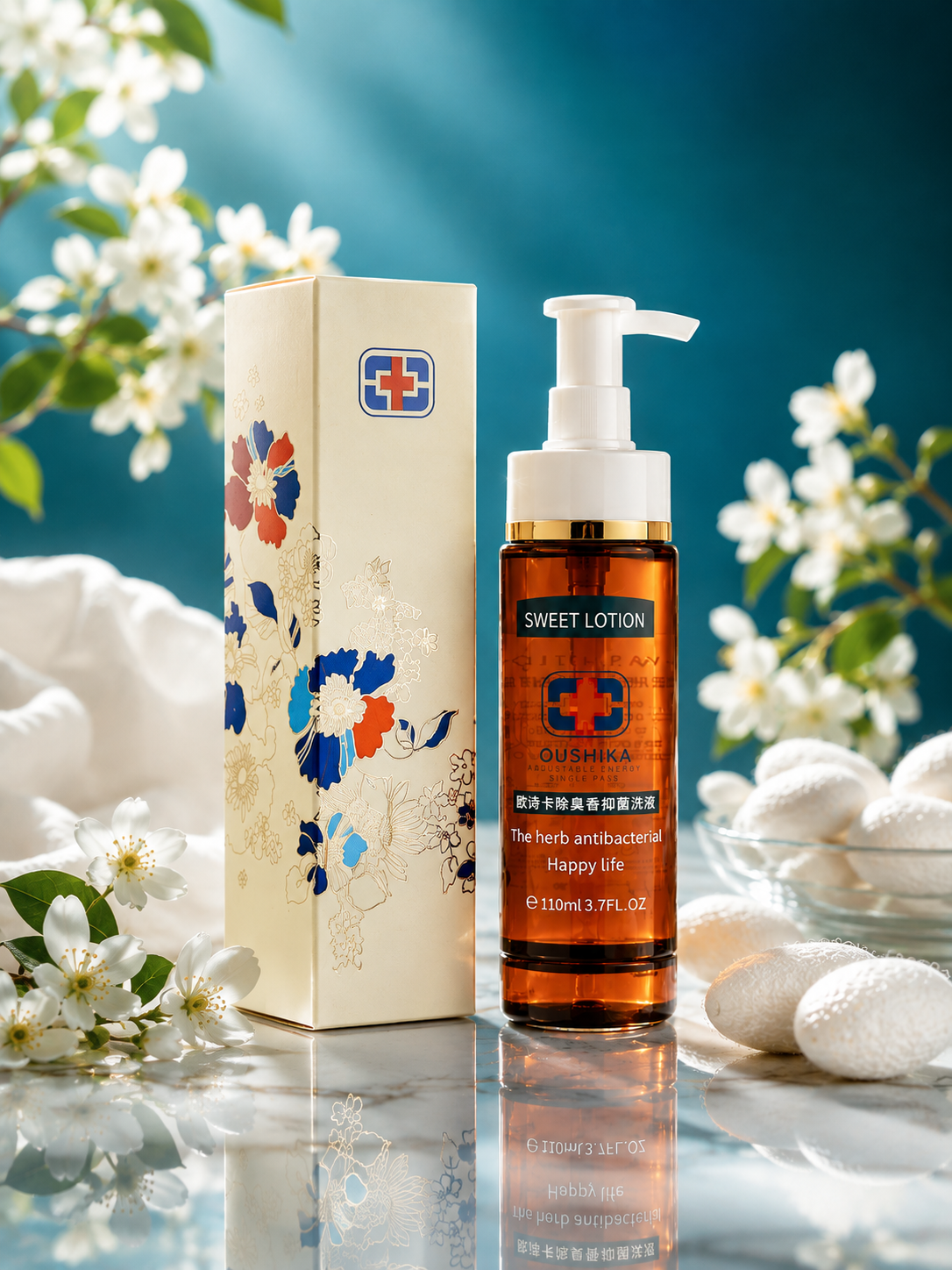
Start With the Complaints: What Feminine-Wash Users Report Most
The pains below are not invented in a marketing brief. They are the themes that come back, again and again, in wash reviews and in the product-failure cases a factory sees when a brand returns to source a replacement. Each complaint points to one underlying need, and that need is a formula specification.
| What users actually complain about | The underlying need |
|---|---|
| “It leaves my skin tight and dry after washing.” | A cleanser that removes oils without stripping the skin - a mild surfactant system with a hydrating finish. |
| “It stings. My skin is sensitive and nothing feels safe.” | Low irritation by design: no harsh anionic detergents, no astringent actives, no unnecessary perfume load. |
| “The smell is too strong and lingers.” | Fragrance control - low-fragrance and fragrance-free options that still feel clean. |
| “I washed every day and it started to feel worse.” | A formula engineered for frequency, not for occasional use - the real meaning of “daily”. |
| “I cannot read the ingredient list, and I do not trust what I cannot read.” | INCI transparency and a clean, understandable formula a brand can defend to its own customers. |
| “It says antibacterial, but I have no idea what that proves.” | An honest position on efficacy: laboratory evidence kept as formulation data, not a vague claim on a label. |
| “It is the same as every other bottle on the shelf.” | True customization - a formula built to a brand’s spec, not a stock private-label fill. |
Read the right-hand column again. It is a sourcing checklist. A factory that cannot tell you its surfactant system, its target pH band, its fragrance policy, its INCI policy and its position on efficacy data is a factory selling you a jar of hope, not a formula. Those five answers are what you are actually buying.
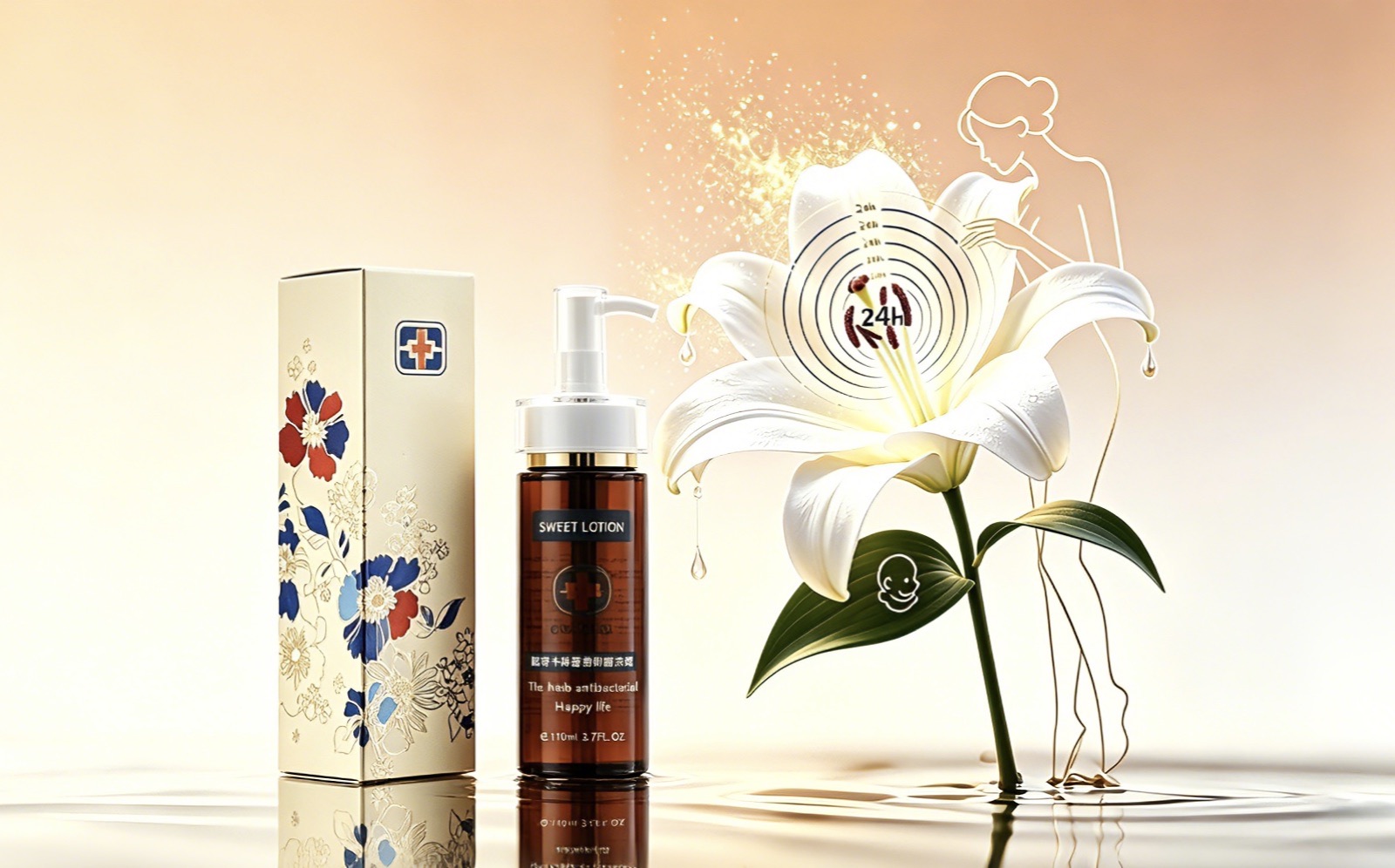
From Complaints to a Checklist: What a Buyer Should Ask a Daily Feminine Wash OEM
This section is the buyer’s recommendations, not another list of pains: turn each complaint above into a question you put to the factory. A daily feminine wash that will not generate those complaints needs six answers, and each is measurable rather than aspirational.
- Daily-safe cleansing. A mild surfactant system that removes the day’s build-up without stripping the skin barrier. Frequency is the design target.
- pH aligned to external intimate skin. The vulva sits near pH 5.0-5.5. Matching that - not borrowing the internal vaginal number of 3.5-4.5 - is what keeps daily washing comfortable. This distinction matters and is worth checking on any formula you are shown.
- Hydration that outlasts the rinse. Humectants and emollients that keep the skin comfortable for the rest of the day, not a “clean” that turns tight an hour later.
- Fragrance and ingredient control. A pure plant-derived fragrance, customizable to your scent profile and free of any synthetic chemical perfume smell - with a low-fragrance or fragrance-free option - plus an INCI list the brand can show its own customers.
- A plant-based core a clean brand can stand behind. Herbal and botanical actives that earn their place in the formula - natural cleansing, skin comfort, a natural scent - rather than a drop of “herbal” in a sea of synthetic detergent.
- An honest efficacy position. Laboratory antimicrobial and compatibility data kept as documentation in the technical file, with label claims that stay inside the cosmetic lane of the destination market.
How Zhongkang Bainian Answers Each Pain Point
This is the table we ask every prospective buyer to check us against. Each complaint on the left has a formula answer in the middle and evidence on the right - because a pain point you cannot verify is just marketing again.
The wash feel our partners come back for:
- No tightness all day. Wash in the morning and the skin does not tighten or dry out by evening - the humectant system keeps working after the rinse.
- Smooth right after washing. The finish is clean and silky, not squeaky and stripped.
- Moisture that lasts. Because the formula hydrates as it cleanses, a daily routine stops feeling like a daily penalty.
| User pain | Zhongkang formula answer | The evidence a buyer can check |
|---|---|---|
| Tight, dry, stripped skin after washing | Mild non-stripping surfactant system with a humectant-emollient finish. Engineered so the skin stays comfortable all day and smooth right after rinsing. | Formula sheet, ingredient rationale, finished-product stability data. |
| Stinging on sensitive skin | No harsh anionic detergents, no astringent or tightening actives, irritation-controlled design for sensitive intimate skin. | Mucosal-irritation and skin-compatibility testing reports. |
| Fragrance that is too strong | Pure plant-derived fragrance, customizable to your scent profile - a natural clean scent with no synthetic chemical perfume smell. Low-fragrance and fragrance-free versions are available too. | Fragrance options to test on the sample; botanical fragrance and allergen policy in writing. |
| “Daily” washing that turns harsh | pH aligned to external intimate skin at roughly 5.0-5.5 - a routine product, not a clinical one. | CMA-accredited pH report on the actual formula. |
| Unreadable, untrustworthy ingredients | A named botanical core - soapberry, Centella asiatica, honeysuckle flower, jasmine and more - on a full INCI list the brand can publish or defend. | INCI list; the signature-botanicals roster filed with the product registration; allergen and preservative policy. |
| Vague “antibacterial” claims | Microbiome-friendly positioning: a formula designed not to disrupt, with antimicrobial data kept as technical-file evidence rather than printed as a US label claim. | Laboratory data for the file; a straight answer on where registered antibacterial claims are lawful. |
| Same as every other bottle | Custom formulation from your brief - pH band, mildness, herbal actives, fragrance, viscosity, packaging - approved by you as a lab sample before scaling. | A development sample you can test, at 500 kg MOQ per SKU, in about 7 days. |
Herbal is the formula’s core, not a fragrance garnish
A plant-based claim is easy to print and hard to deliver. In this formula the botanicals each do a defined job, and they are named on an INCI list a brand can show its own customers. The botanical core is the same signature-botanicals roster filed with the product registration:
- Plant-derived cleansing. Sapindus mukorossi (soapberry) extract contributes a mild, natural cleansing feel - botanical help for the gentle surfactant system, not another dose of detergent.
- Skin-comfort botanicals. Centella asiatica, Lonicera japonica (honeysuckle) flower, Cnidium monnieri and Sophora flavescens extracts support gentle conditioning and a fresh, comfortable feel on sensitive intimate skin.
- Nourishing and balancing extracts. Theobroma cacao helps keep skin soft and supple; Ganoderma lucidum supports a balanced, comfortable skin condition.
- Natural sensory instead of chemical perfume. Jasminum sambac brings the delicate floral note naturally, so the wash can be scented with plant-derived fragrance only - customizable to your scent profile, with no synthetic chemical perfume smell. A low-fragrance or fragrance-free version is straightforward to make too.
All of the botanicals are natural, plant-derived and hormone-free; the full blend and exact ratios are available to verified partners under NDA, as stated on our private label feminine wash product page. And here is the part a serious buyer should test for themselves: botanicals are food for microbes, so a plant-heavy formula only stays safe through rigorous preservation and stability work. Ask a supplier for its stability and microbial data on the herbal base - the factory that shows it without flinching is the one running a real cleanroom rather than a blending desk. The claims stay honest too: these botanicals support comfort, mildness and a clean feel; they do not turn the wash into a treatment, and we never frame them that way on a label.
Microbiome-friendly is a formulation attribute, and we keep it honest
“Microbiome-friendly” describes a formula designed not to disrupt the skin’s natural balance - the mild cleansing, the aligned pH, the absence of a harsh blanket antimicrobial. That is a cosmetic attribute we document with pH, mildness and compatibility data, and it belongs in your technical file. What it is not is a printed promise to “balance the microbiome” on a US cosmetic label, and it is not interchangeable with a registered antibacterial claim. The same plant base can also be produced under a disinfectant registration - our Xiaozihao line under WS 628-2018 - for markets that recognise that claim, mainly China and Southeast Asia. The formula is one platform; the claim follows the market. We will never tell a buyer to blur those two lanes.
pH-balanced to the vulva, not to a number borrowed from the vagina
Much of the consumer literature still quotes the internal vaginal range of roughly 3.5-4.5, and some wash brands borrow it. For an external daily wash that is the wrong target and a common source of the stinging users report. The vulvar skin sits near pH 5.0-5.5, and that is the band our daily formula holds. If a supplier cannot tell you which pH it targets and why, treat the silence as a red flag.
Customized from your brief, not a stock fill
Private label does not have to mean “our formula, your logo.” We develop from your spec and we hold formulas you can private-label - both routes are open. On a custom run you set the pH band, the mildness and fragrance direction, the herbal and functional emphasis, the viscosity and the packaging, and you sign off the lab sample before anything is scaled. For the sourcing details that matter at quotation time, see the selection and verification checklist in our private-label feminine wash OEM selection guide.
The Factory Behind the Formula
Zhongkang Bainian is a dual-licensed intimate-care manufacturer in Quanzhou, China, and we answer the table above from our own plant rather than from a trading desk. The numbers behind that statement: 37+ years of intimate-care manufacturing heritage, 1,000+ brand partners served under private label, a self-owned 20,000 m² industrial park with class-100,000 cleanrooms, and quality systems certified to ISO 22716 and GMPC by SGS. One site holds two licences side by side - a cosmetic production licence (Min-Zhuang 20220008) for the daily cosmetic lane, and a disinfectant production licence, Xiaozihao (Min) Wei-Xiao-Zheng-Zi (2021) No.040036, for registered antibacterial work in the markets where that claim is lawful.
That is why we can make the promise in the pain table. We are not buying a formula from a formulator and printing your brand on it; the chemistry team, the cleanroom line and the test reports are in the same building. A development sample goes to you for sign-off, then production runs to the agreed timeline - samples in about 7 days, 30-60 working days for a standard production order. Every batch ships with its Certificate of Analysis.

For a deeper look at the wash itself, see our pH-balanced private label feminine wash product page. The vulvar pH science behind the formula is laid out in our 2026 private-label feminine wash pH standard guide. And because claim language changes at every border, our US compliance guide and export compliance and certification guide explain which words travel and which do not.

Frequently Asked Questions
1. Can you develop a fully custom daily feminine wash, or only private-label your existing formulas?
Both. We hold formulas we can private-label, and we develop from a brief. For a custom run you define the pH band, the mildness and fragrance direction, the herbal and functional emphasis, the viscosity and the packaging. You approve a lab sample before mass production, so the formula is yours before it is scaled. Custom work starts at a 500 kg MOQ per SKU.
2. What are your MOQ, sample time and production lead time for a private-label wash?
MOQ is 500 kg per SKU. A development or matching sample ships in about 7 days, and production runs 30-60 working days after sample sign-off, depending on formula and packaging. We put the timeline in writing with the quotation.
3. Is an herbal daily feminine wash gentle enough for everyday use?
Yes, when the base is engineered for frequency. Our herbal wash pairs a mild, non-stripping surfactant system with a formula pH aligned to external intimate skin at roughly 5.0-5.5, humectants for lasting comfort, and a low-fragrance or fragrance-free option. Daily use is the design target, not a claim bolted on after the fact.
4. Microbiome-friendly versus antibacterial - can the same formula be both?
The same plant base can carry both positions, but they are different regulatory lanes. Microbiome-friendly describes a formula designed not to disrupt - a cosmetic attribute we document with pH, mildness and compatibility data you keep in your technical file. A registered antibacterial claim needs a disinfectant registration, such as China’s Xiaozihao under WS 628-2018, and is only lawful in markets that recognise it, mainly China and Southeast Asia. We do not advise printing antibacterial wording on a US cosmetic label.
5. What documents do you ship with a private-label feminine wash order?
Each batch ships with a Certificate of Analysis, the full INCI ingredient list, an MSDS, third-party CMA-accredited test reports, and copies of the licences behind the line - the cosmetic production licence and, where relevant, the disinfectant registration. For export we support the listing documents your market needs, such as product registration data for the US under MoCRA, CPNP notification data for the EU, and equivalent paperwork for other destinations.
Key Takeaways
- Start from consumer complaints, not from a certificate rack: tightness, stinging, fragrance irritation and vague antibacterial claims all map to specific formula choices a buyer can verify.
- “Daily” is a formulation discipline, not a label slogan - mild surfactants, a vulvar pH target near 5.0-5.5, and hydration that outlasts the rinse are what make everyday use safe.
- The wash-feel differences are buildable and provable: no tightness through the day, smoothness right after rinsing, and lasting moisture come from the surfactant and humectant system - not from a story.
- Microbiome-friendly and registered antibacterial are different regulatory lanes. One is a documented cosmetic attribute; the other is a disinfectant registration lawful mainly in China and Southeast Asia. Do not mix them on one label.
- A capable OEM customizes pH, mildness, herbal actives, fragrance and packaging to your spec, and proves it with a lab sample you approve before mass production.
- Zhongkang Bainian answers the whole pain table from one licensed site: cosmetic licence and disinfectant registration side by side, ISO 22716 and GMPC certified by SGS, 37+ years of heritage and 1,000+ brand partners.
Sources
References and context used in this article:
- US FD&C Act cosmetic and drug definitions (sections 201(i) and 201(g)(1)); US FDA guidance on cosmetic vs. drug intended use.
- US FDA Consumer Antiseptic Wash Products rule (2016) - context for why antibacterial is not a ready cosmetic claim on a US wash label.
- WS 628-2018, Chinese national hygiene standard for disinfectant products - cited only as the China-regime registration context for non-US antibacterial claims.
- Peer-reviewed literature on vulvar skin pH (approximately 5.0-5.5) versus internal vaginal pH (approximately 3.5-4.5) - basis for the pH-alignment discussion.
Briefing a Custom Daily Feminine Wash? Start Here
Tell us your target market, your pH and fragrance direction, and whether you need a cosmetic or a registered-antibacterial position. We’ll send the matching formulation options, the licences and test documents behind them, and a development sample you can judge before you commit.
*This article is for informational purposes only. Claim language and regulatory requirements vary by market and change over time. Confirm the applicable rules for your destination market with a local regulatory specialist before finalizing product specifications and labels.*